シリーズへ
Loading...
Meet the Leader

The web is ‘fragile.' How to protect the world’s information - and how crypto can help

ポッドキャスト・トランスクリプト

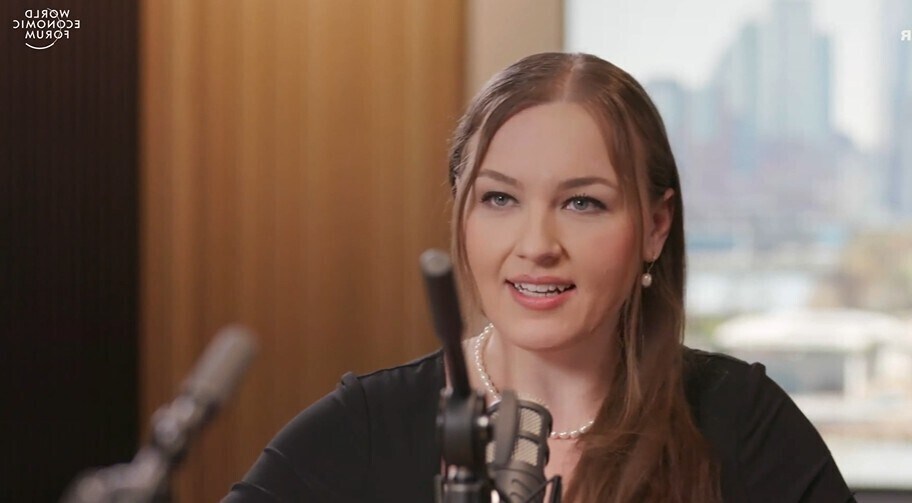
Most of the world’s information is stored digitally in a way that’s vulnerable to disappearing without warning thanks to everything from link rot and server changes, to someone not paying their web hosting bill. Some information might even disappear because bad actors have removed or changed it. Civil liberties lawyer and Filecoin Foundation president Marta Belcher explains why the modern standard for how we store information is so vulnerable and why protecting data is a human rights issue. She breaks down a fundamentally new approach (leveraging crypto and decentralized databases to protect information and create new incentives to store it) and how it serves as a sneak peek at how Web3 technologies could bake in new approaches to privacy and civil liberties protections. She’ll share how it’s already being used to protect digital artifacts such as Ukraine war crime evidence and Alexander Graham Bell’s earliest sound recordings, and how it could even be used to improve space communications. Marta, a crypto law pioneer, also shares unique ways she’s driven open-source solutions throughout her life and career and how these lessons can help any leader better collaborate.

Guests:

Marta Belcher

Chairperson; President, Filecoin Foundation

ホスト:

Linda Lacina

Digital Editor, World Economic Forum

トピック:
グローバルリスク
シェア:

その他のエピソード:

ポッドキャスト

5 top leaders share career advice for grads - and anyone navigating change

ポッドキャスト

AI ‘workslop’ is a leadership problem. Here’s how to fix it: BetterUp CEO

World Economic Forum logo

「フォーラム・ストーリー」ニュースレター ウィークリー

世界の課題を読み解くインサイトと分析を、毎週配信。

今すぐ登録する

もっと知る グローバルリスク
すべて見る

変わり続けるデジタルの未来、安全なシステムをどう作るか

Julie Inman Grant, David Sullivan, Cathy Li and Agustina Callegari

2026年6月8日

世界経済フォーラムについて

エンゲージメント

リンク

言語

プライバシーポリシーと利用規約

サイトマップ

© 2026 世界経済フォーラム