

Preface
Co-Chairs' statement
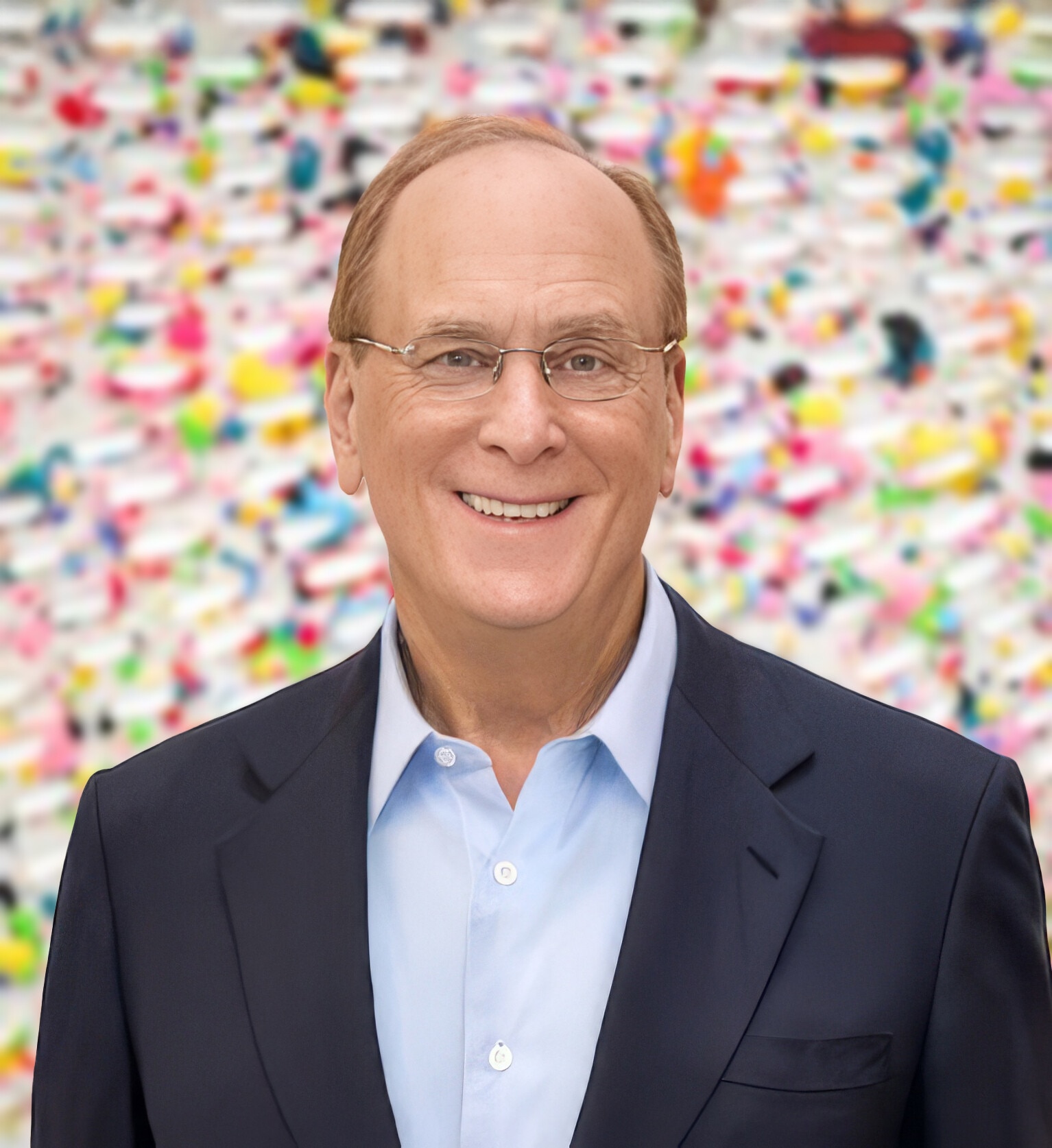

| Laurence D. Fink Co-Chair of the Board of Trustees
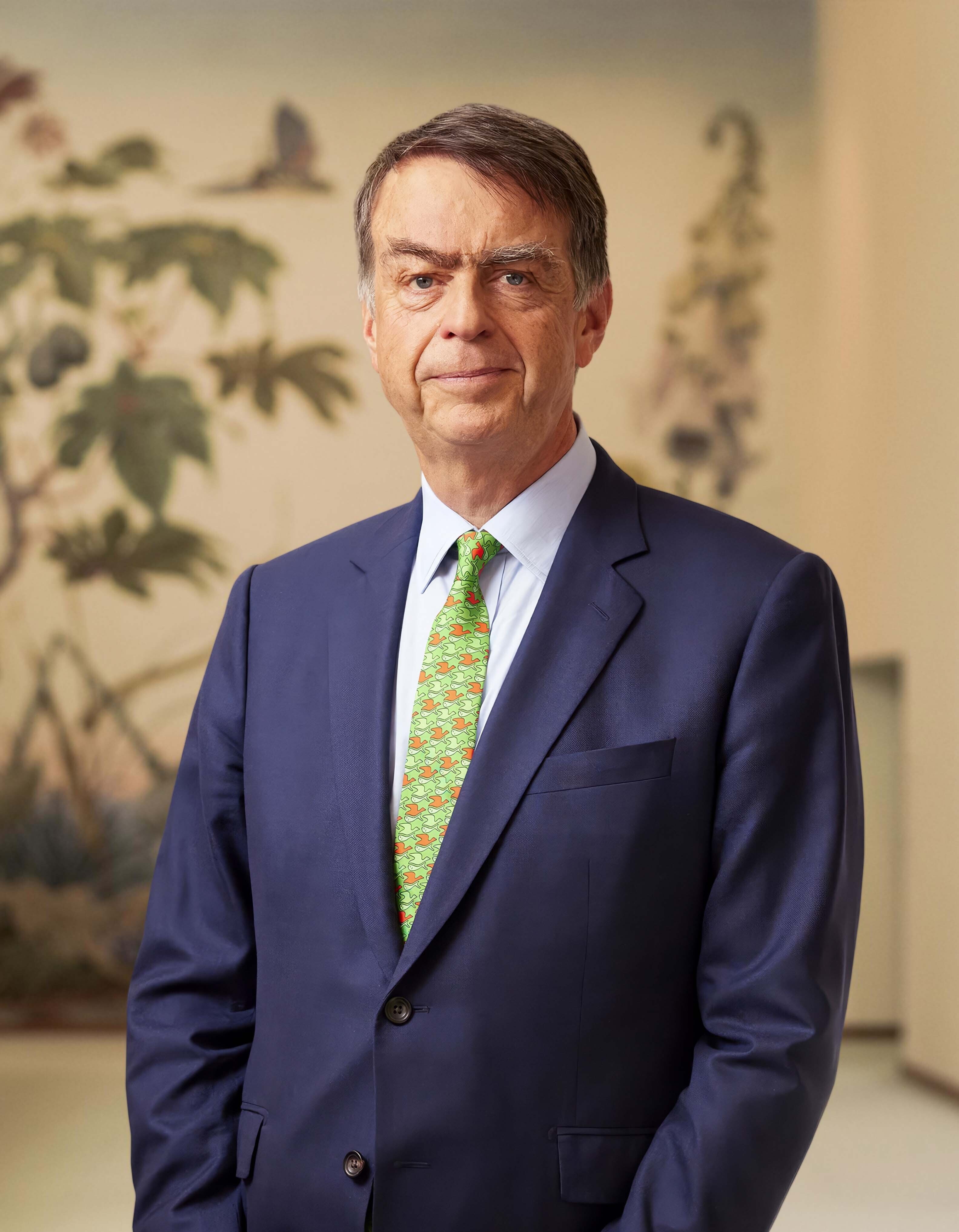

| André Hoffmann Co-Chair of the Board of Trustees
The world is navigating a period of profound geopolitical, economic and technological realignment, marked by a more fragmented and uncertain global environment. In this context, trusted forums that bring together leaders from business, government, international organizations, academia, civil society and the next generation continue to play an important role.
Over the past year, the World Economic Forum convened discussions on some of the defining issues influencing the global economy – including resilience, artificial intelligence (AI) governance, energy transition, workforce transformation and long-term growth. The 2026 Annual Meeting in Davos reflected the importance of these conversations, with record participation from political leaders, key business leaders and other global stakeholders, alongside continued engagement through the Forum’s year-round initiatives.
At a time when many debates are becoming more polarized, there remains real value in creating space for dialogue across a broad range of perspectives – bringing together different viewpoints, challenging assumptions and deepening mutual understanding of issues that affect economies and communities worldwide. The challenges ahead are deeply interconnected, and addressing them will require pragmatic leadership, long-term thinking and sustained engagement across sectors and regions.
This next chapter presents an opportunity to strengthen the Forum’s governance for the future, building on the foundations established over more than five decades.
We are grateful to the Forum’s members, partners and colleagues whose commitment and engagement continue to make this work possible.
President and CEO's statement
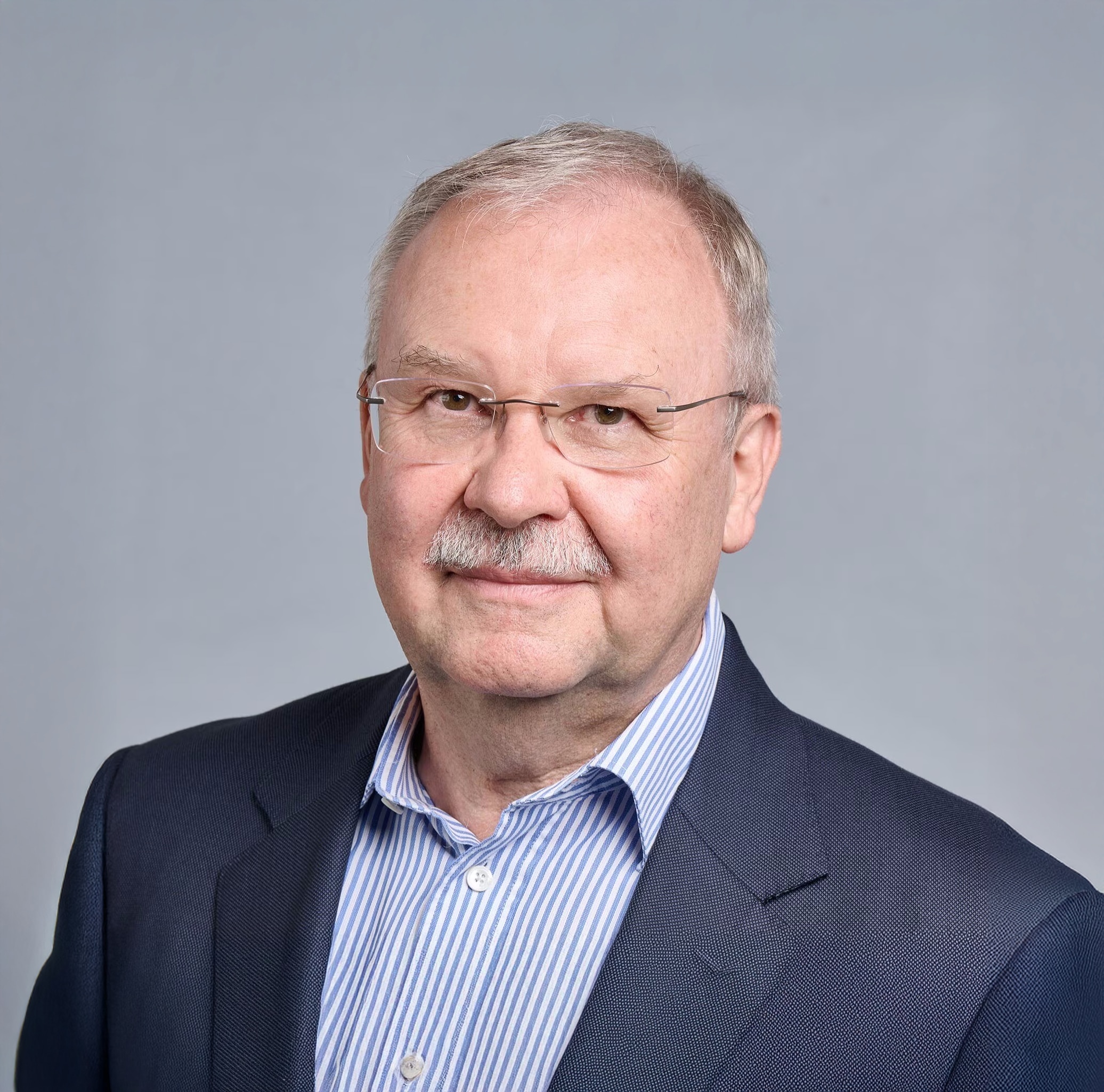

| Alois Zwinggi President and CEO
In a rapidly changing world and as dynamics shift across countries and sectors, the World Economic Forum remains a space for new forms of collaboration and bringing together often divergent perspectives. It continues to serve as the trusted platform where leaders from business, government, international organizations, academia, civil society and the next generation can engage with the defining issues of our time and move the world forward together.
Building on the vision of our founder, Klaus Schwab, who guided the institution for over five decades, our commitment to advancing progress through multistakeholder engagement remains central to who we are.
This conviction was reflected in the 56th Annual Meeting in Davos under the theme “A Spirit of Dialogue”. At a moment of deepening global fragmentation, nearly 3,000 leaders from more than 130 countries came together to exchange perspectives, challenge assumptions and search for common ground.
Across the year, we continued to strengthen the Forum’s role as a platform for sustained public-private collaboration through initiatives, communities, insights and global events. Reflecting this, our partner community grew by 5% during the year, reaching a record 973 partners worldwide.
At the same time, we have continued the important work initiated by our previous President and CEO, Børge Brende, to strengthen our institution internally. This year, we have made significant progress: reviewing governance structures, deepening leadership development, reinforcing collaboration across teams and professionalizing our operations.
The Forum’s ability to convene globally is rooted in a genuinely international presence. Across five continents, six offices, a network of centres and communities, and colleagues representing more than 100 nationalities, we bring together diverse perspectives while remaining connected by a shared mission and common purpose.
We remain firmly anchored in Switzerland, where the Forum was founded, and we are deeply connected to Davos, the host town of our Annual Meeting. Switzerland’s traditions of impartiality, dialogue, innovation and long-term thinking continue to permeate the Forum’s role and work today. At a time of growing fragmentation, these principles matter more than ever.
Too often, what is lacking in the world is not necessarily expertise or solutions but rather trust, sustained dialogue and the willingness to work across differences. The Forum’s Swiss roots, together with Geneva’s longstanding role as the epicentre for international cooperation and Davos’ unique convening power, provide an important foundation for the trust placed in our institution globally by our partners and other stakeholders.
I would like to thank the staff, partners and hosts around the world whose efforts make it possible to bring together diverse perspectives, build understanding and cultivate the relationships that underpin effective collaboration and progress.