
Events
Annual Meeting 2026
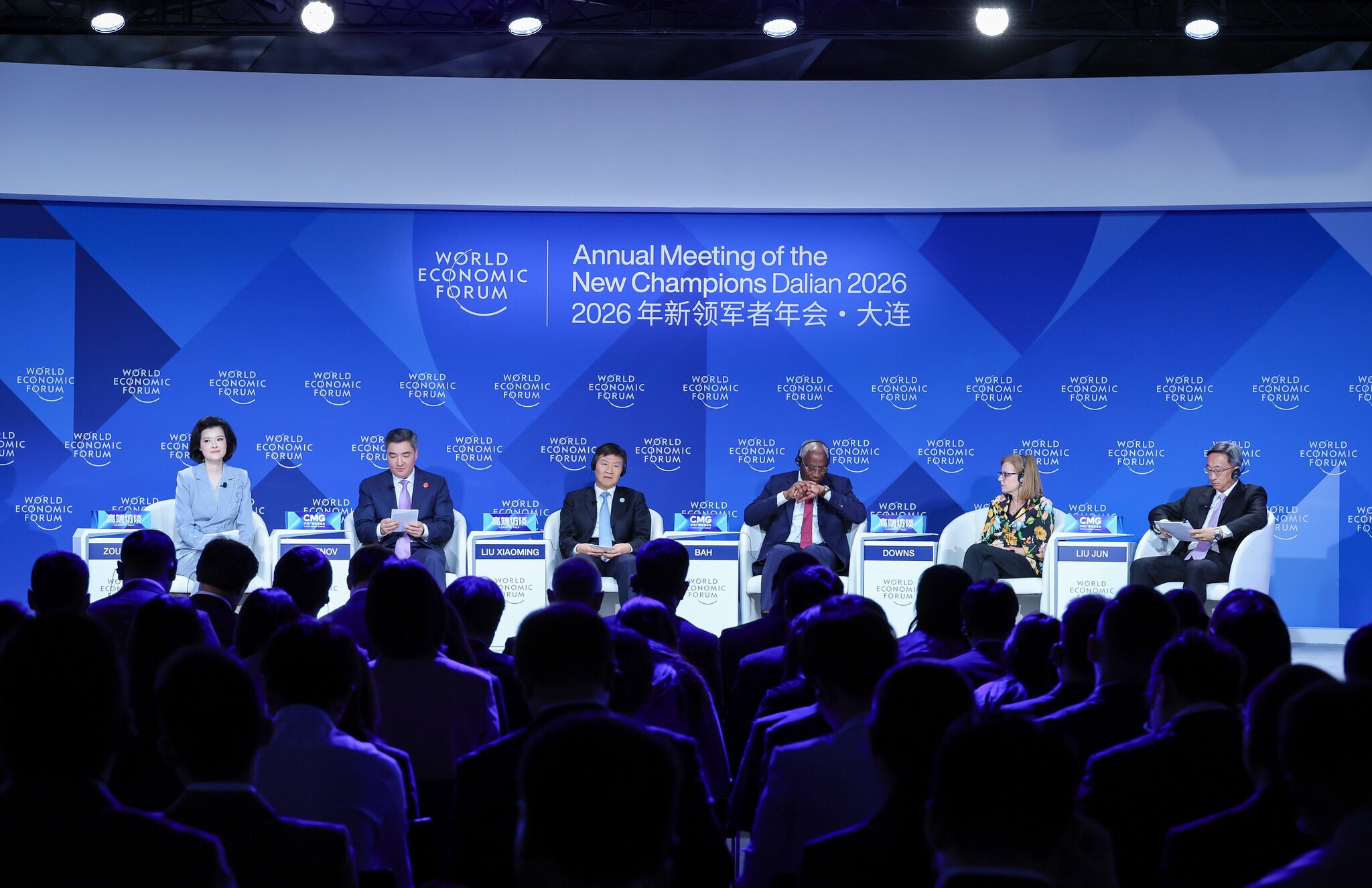
Against one of the most complex geopolitical backdrops in decades, almost 3,000 leaders convened in Davos, Switzerland, for the 56th Annual Meeting of the World Economic Forum. Held at a pivotal moment for international cooperation, the meeting focused on rebuilding trust and strengthening dialogue as a strategic imperative at the global, regional and local levels.
A record number of senior leaders participated, including 64 heads of state and government. Participants included Mark Carney, Prime Minister of Canada; Ursula von der Leyen, President of the European Commission; He Lifeng, Vice-Premier of the People’s Republic of China; Emmanuel Macron, President of France; Friedrich Merz, Federal Chancellor of Germany; Abdel Fattah el-Sisi, President of Egypt; Prabowo Subianto, President of Indonesia; and Donald J. Trump, President of the United States.
They were joined by 830 CEOs of leading companies, 12 Nobel laureates and approximately 80 unicorns and technology pioneers. Together, participants discussed peace, security, technology, growth and investment.
The focus was to advance dialogue and identify common ground on pressing challenges in an increasingly contested world, reinforcing the Forum’s role as an impartial platform for cooperation.
Leaders debated the dual nature of current transformations – particularly the rapid advancement of AI and shifting economic dynamics. Conversations revealed that, while these shifts offer major opportunities for growth, they also create risks if not matched by investment in skills, resilience and inclusive systems. Among the key themes to emerge was the need to advance innovation responsibly while accelerating collective action in areas such as energy and climate.
In terms of diplomacy and dialogue, government leaders engaged with each other and the private sector. Forty percent of business participants took part in one of eight country strategy dialogues focused on future competitiveness. There were also discussions about the material implications of current global affairs, including exchanges between the US and Chinese private sectors. Heads of state and CEOs exchanged perspectives about regional integration in Africa and South-East Asia as pathways to resilience.
The meeting also highlighted the importance of harnessing technology opportunities and addressing associated risks. Reflecting this focus, SmartStart was unveiled as a new initiative aiming to prepare one million young people in the US for future-ready manufacturing and supply chain jobs by 2035. The Reskilling Revolution continued to make progress towards its 2030 target of reaching one billion people, with more than 850 million people reached worldwide during the reporting period.
Alongside this, India launched a national Skills Accelerator to improve the employability of millions of workers. The Forum also launched the Forest Future Alliance, which is dedicated to taking responsible action for forest landscapes.
Additionally, the Forum’s high-profile reports, including the Global Risks Report 2026, informed discussions about AI, economic growth and resilience. Echoing the Global Cooperation Barometer 2026, leaders highlighted bright spots of regional cooperation and reiterated that communication and dialogue remain key means to build trust. The Women’s Health Investment Outlook was also launched, calling for stronger evidence and transparency to guide investment to this vital area.
In terms of public engagement with the 2026 Annual Meeting, new formats helped the Forum reach wider audiences. Among the popular formats were Davos on Air, produced in collaboration with some of the world’s leading podcasters, and Ideas on the Move, which captured key participants sharing their perspectives on camera as they travelled between panel sessions. Reflecting these changes and the wider interest in the event, media coverage and livesession views doubled compared to the previous year.
Sustainable Development Impact Meetings 2025
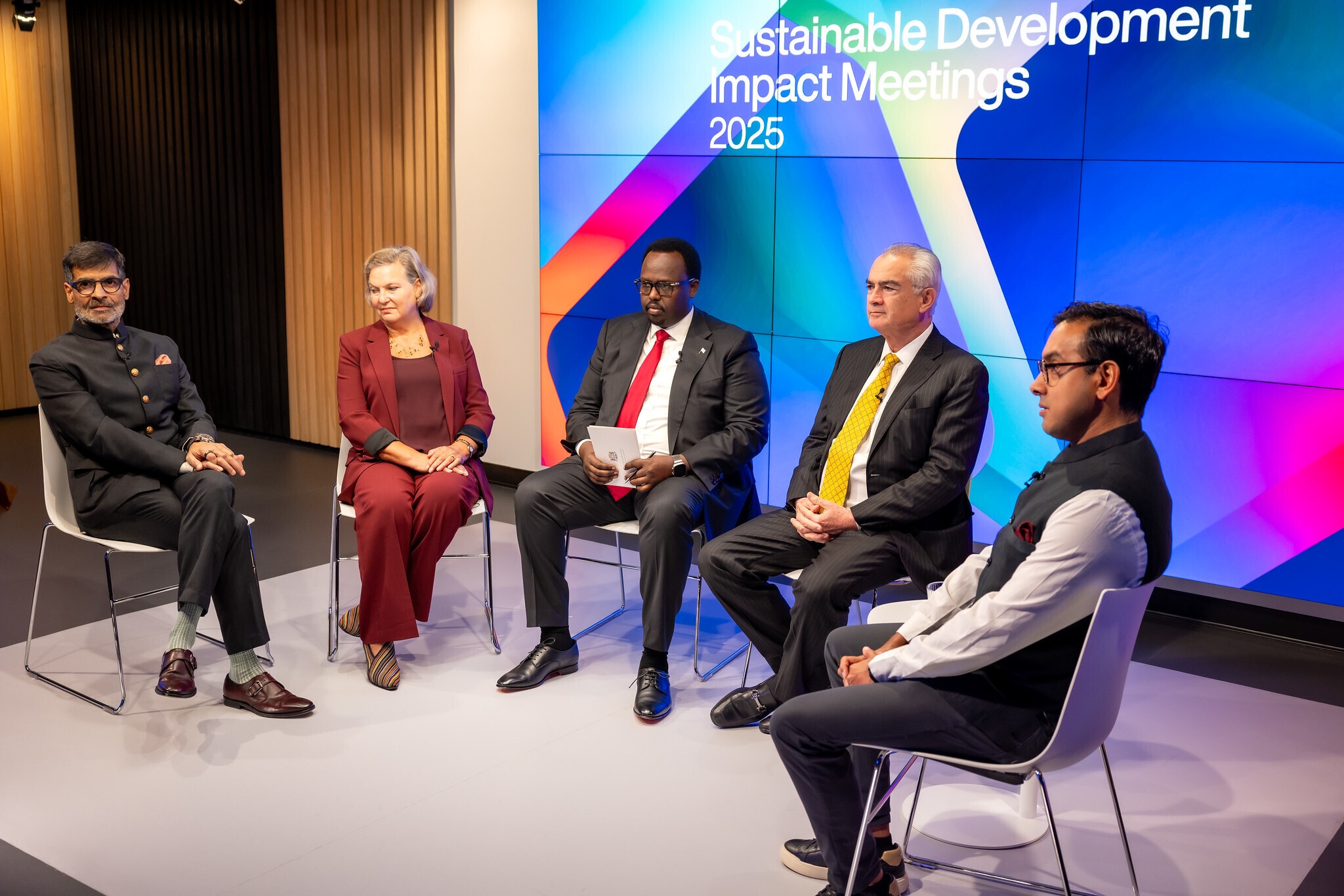
Each September, the Forum convenes its communities of purpose for the Sustainable Development Impact Meetings (SDIM) in New York City. Bringing together leaders on the margins of the United Nations’ General Assembly, the aim is to advance action on inclusive economic growth, responsible technology, humanitarian crises and climate. Building on the Forum’s track record of connecting leaders to catalyse action, the 2025 meetings provided a critical platform for collaboration.
In 2025, SDIM brought together more than 1,000 global leaders, including more than 500 business leaders, 70 government leaders and 22 heads of international organizations. In addition, the meetings featured senior United Nations representatives, government ministers, CEOs and leaders from philanthropy and academia.
The meetings focused on how weak global growth, geopolitical fragmentation and technological disruption are transforming the international landscape. Discussions emphasized inclusive growth, resilience and innovation as essential foundations for sustainable development.
The meetings advanced several growth and geoeconomic initiatives, including the Future of Growth Initiative. The Forum announced the addition of 12 innovative industrial sites to the Global Lighthouse Network and launched the Human-Machine Collaboration initiative.
Several sustainability initiatives made progress, including the Industry Net Zero Accelerator, and partnerships were strengthened in the areas of food, water, health and supply chains, specifically within the First Movers Coalition and Global Plastic Action Partnership. Cooperation was a key theme, with participants keen to identify and develop new areas of cooperation in global security, geoeconomics and frontier technologies.

Country Strategy Meeting on Mexico
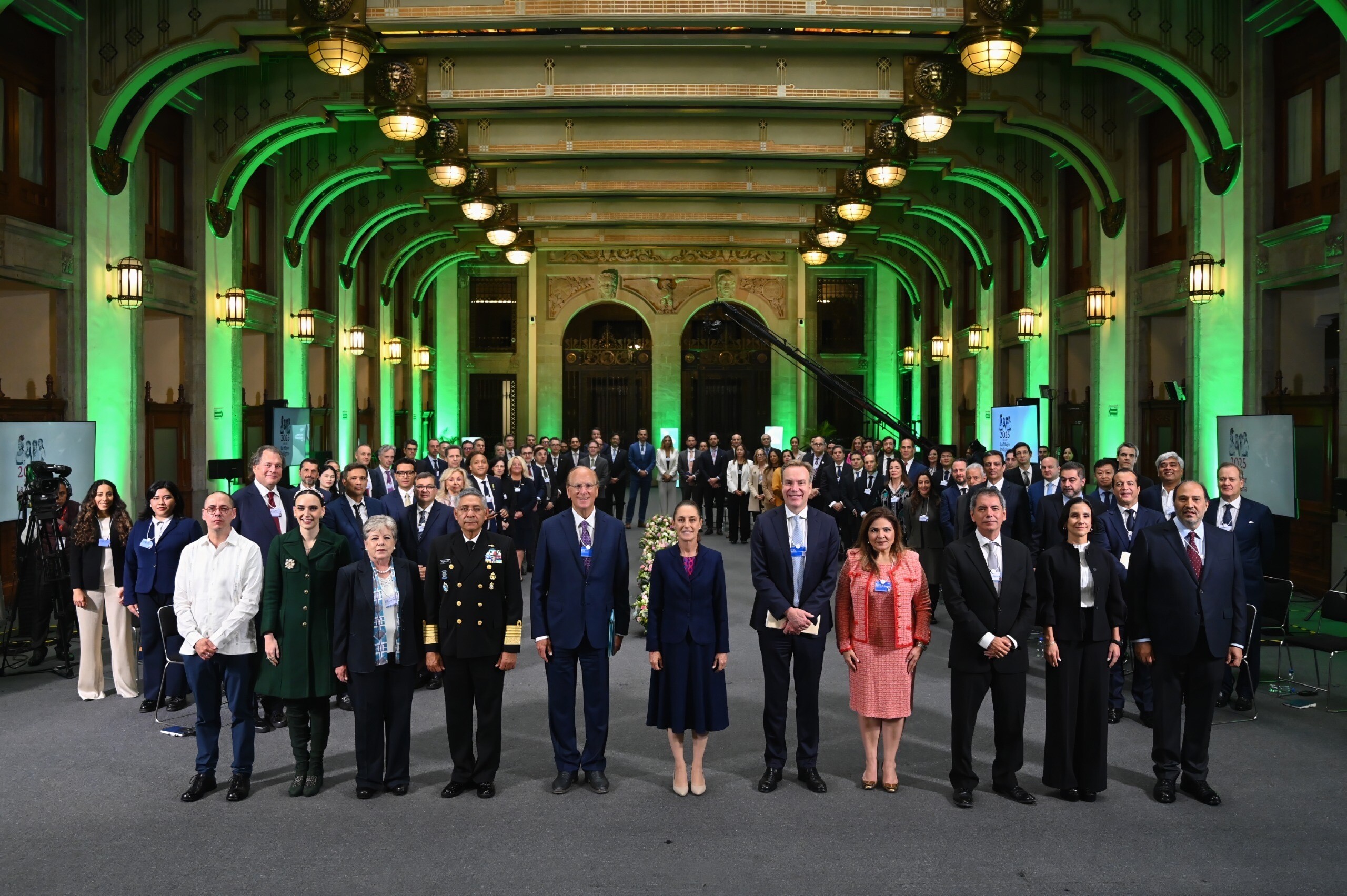
In October 2025, public- and private-sector leaders gathered in Mexico City for the Country Strategy Meeting on Mexico. With a focus on how the country could spur economic growth and advance its role as a global economic leader, the meeting welcomed President Claudia Sheinbaum and several cabinet secretaries.
Coinciding with the president’s first year in office, the meeting offered a platform for discussion about Plan Mexico, her vision for economic prosperity and policy reforms to date.
At a time when Mexico is redefining its regional and international economic role, the meeting supported efforts to diversify the country’s economy, expand partnerships, strengthen resilience and promote socially and environmentally responsible growth.

Annual Meetings of the Global Future Councils and Cybersecurity 2025
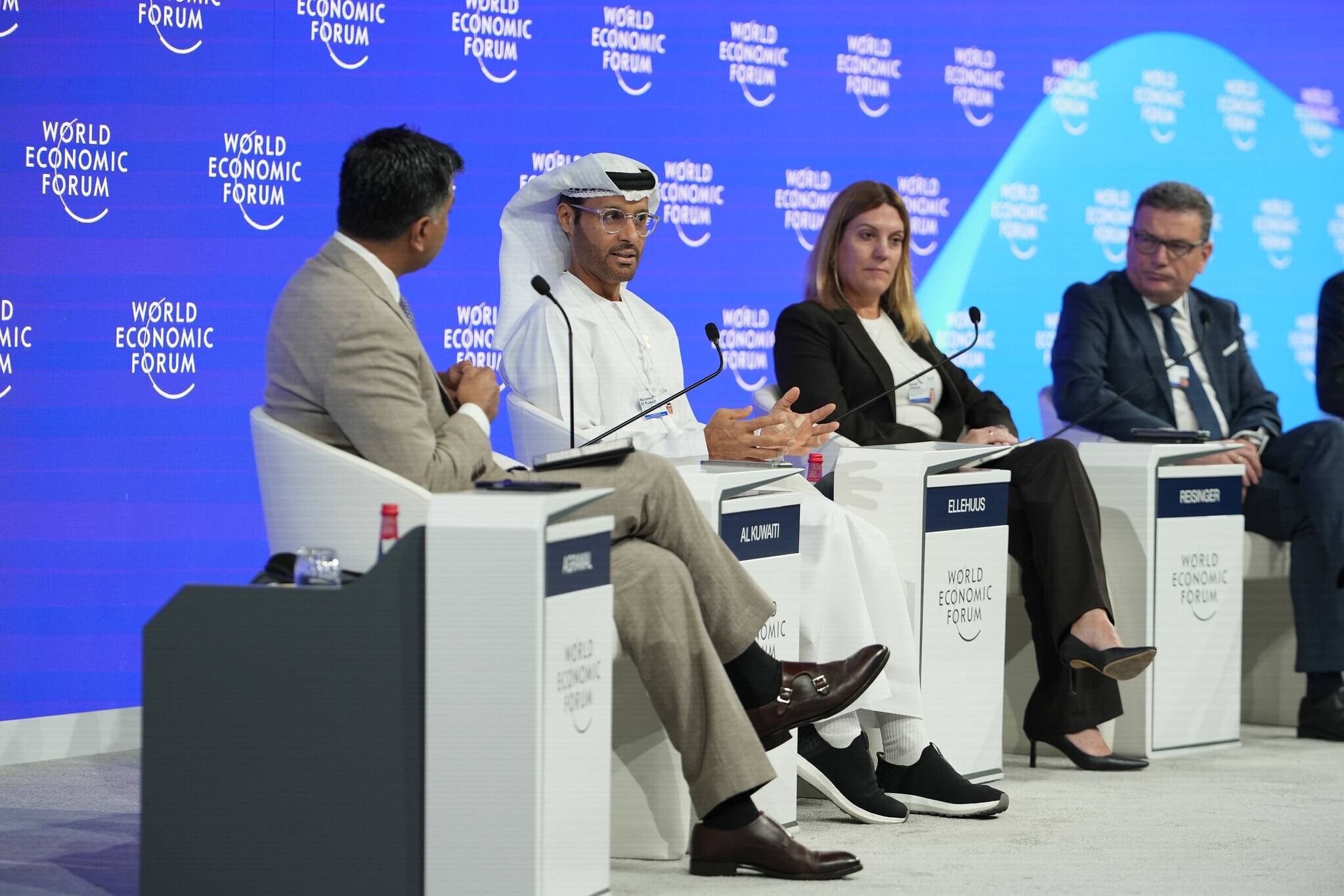
In October, the Forum brought together 500 experts for the Annual Meeting of the Global Future Councils and 150 cybersecurity leaders for the Annual Meeting on Cybersecurity in Dubai.
Convening these meetings together generated broader insights, strengthened cooperation and created solutions at the all-important intersections of technology, security, governance, health, sustainability and growth.
The Global Future Councils (GFC) meeting focused on how the 37 councils are adapting their work to respond to Intelligent Age technologies, while the cybersecurity meeting considered how best to promote solutions to ensure digitalization’s benefits are safeguarded for all.
Three “labs” were devised across the joint meetings. The Global Economy Output Lab explored how the rapid advancement of AI and evolving talent trends might influence the future of jobs and the strategies needed to navigate them. The Technology and Digital Security Output Lab focused on human capital, information integrity, emerging technologies and shared governance frameworks. Together, these discussions reinforced cybersecurity as a critical cross-cutting priority in an increasingly interconnected and fragmented landscape where experts called for stronger public-private collaboration and shared frameworks to manage rising cyber risks.
A third lab, the Nature and Climate Output Lab, brought together experts from the GFCs to reimagine global economic systems that could deliver shared prosperity within planetary boundaries.
Several new workstreams were also announced, including four Future of Jobs scenarios to 2030, a collaborative Leadership Lab, a Financial Education Resources Hub, a roadmap on antimicrobial resistance financing, the NeuroTrust Index implementation pathway and the GenBio Guide. Additionally, national cybersecurity leaders committed to stronger collaboration to protect individuals and small and medium-sized enterprises (SMEs), embed security by design, enable the secure adoption of AI and accelerate preparedness for post-quantum threats. These efforts reflect a broader recognition that cybersecurity is integral to sustaining trust, enabling innovation and safeguarding economic resilience in the Intelligent Age.

Industry Strategy Meeting 2026
The Industry Strategy Meeting (ISM) 2026 brought together more than 330 chief strategy officers and senior leaders to examine how business can sustain competitive advantage in a year defined by geoeconomic confrontation, accelerating technological disruption and intensifying resource competition.
Convened in Munich under the theme “Business Strategies for a New Economic Era”, the meeting provided a platform for discussions about how shifts in trade, technology and geopolitics are influencing strategic decision-making.
More than 40 sessions took place, including 10 cross-industry workshops delivered in collaboration with the Forum’s centres. They focused on five priorities: competitiveness in a contested geopolitical environment, the energy transition within planetary boundaries, workforce transformation in an AI-powered economy, AI enterprise readiness and the scaling of physical AI.
Discussions moved from diagnosis to action, with the outcomes designed to inform the Forum’s industry communities and strengthen the impact of centre-led initiatives.
The event complemented the Forum’s year-round work with 22 Global Industry Communities, which aim to advance industry transformation through peer-to-peer exchanges and collaboration.
Country Strategy Meeting on Türkiye
In March, the Forum held the Country Strategy Meeting on Türkiye in collaboration with the country’s government. Under the theme “Growth at a Global Nexus: Strengthening Competitiveness and Resilience”, the meeting brought together senior government leaders, including Türkiye’s President, Recep Tayyip Erdoğan, and global business executives.
Reflecting the country’s position as a G20 economy bridging Asia, Europe and the Middle East, the meeting focused on Türkiye’s economic and strategic positioning in an era of geopolitical complexity, economic realignment and value chain reconfiguration.
President Erdoğan delivered a special address and held a strategic dialogue about the country’s long-term vision and priorities with 40 CEOs and chairpersons, while Mehmet Şimşek, Minister of Treasury and Finance, chaired a discussion about economic policy, reform and the evolving investment outlook. Vice-President Cevdet Yılmaz; Minister of Foreign Affairs Hakan Fidan; Minister of Energy and Natural Resources Alparslan Bayraktar; and Governor of the Central Bank Fatih Karahan were also present.
External events
The Forum supported numerous high-profile events throughout the year, including events on the sidelines of November 2025’s UN Climate Change Conference (COP30) in Belém and the April 2026 International Monetary Fund/ World Bank Spring Meetings held in Washington, D.C. This activity provided partners and stakeholders with a platform for collaboration, insights and expert knowledge. Alongside the Spring Meetings, the Forum hosted sessions with senior business executives, experts and academics on the economy, powering growth in a volatile world, women’s health and rethinking jobs and inequalities.
Annual Meeting of the New Champions 2026
More than 1,800 leaders from business, government, civil society, international organizations and academia, as well as top innovators, gathered in June 2026 for the 17th Annual Meeting of the New Champions in Dalian, China. Under the theme “Innovating at Scale”, leaders and entrepreneurs explored how technology can be harnessed as a strategic opportunity and how its benefits can be widely shared to contribute to resilient growth. With many technologies now within reach, discussions focused on the infrastructure, policy frameworks and skills needed to ensure that technological breakthroughs translate into widely shared benefits.
Sessions focused on the trends influencing Asian economies and China’s economic outlook as well as the critical role of entrepreneurship, the energy transition and digital transformation in building more sustainable economic systems. Participants examined how advances in AI, energy systems and natural capital are influencing competitiveness, while discussions on jobs and skills focused on pathways to the next billion jobs and the structural transformation of work in an AI-driven economy.
The meeting welcomed Chinese Premier Li Qiang, alongside six heads of government: Amadou Oury Bah, Prime Minister of Guinea; Olzhas Bektenov, Prime Minister of Kazakhstan; Kim Minseok, Prime Minister of the Republic of Korea; Tarique Rahman, Prime Minister of Bangladesh; Milojko Spajić, Prime Minister of Montenegro; and Nyam-Osor Uchral, Prime Minister of Mongolia. It brought together leaders from over 90 countries and regions, including 90 government leaders and 1,000 C-suite executives. Innovators were central to the meeting, with more than 200 leaders from the Forum’s innovator communities, including technology pioneers and a record number of unicorns, exploring how emerging technologies can move from experimentation to deployment across industries.
In addition to the many dialogues, the meeting saw the release of the Top 10 Emerging Technologies of 2026 report and the announcement of the 2026 technology pioneers cohort, which features start-ups advancing solutions ranging from smart robotics to quantum. The next cohort of MINDS (Meaningful, Intelligent, Novel, Deployable Solutions) came together to showcase how AI and frontier technologies are transforming industries and societies, and the Global Lighthouse Network launched its next cohort. New partners, including from China, also joined the First Movers Coalition.