Economic losses due to natural disasters have tripled over the past decade, with farmers bearing nearly a quarter of the burden in poor countries, a U.N. study said on Tuesday.
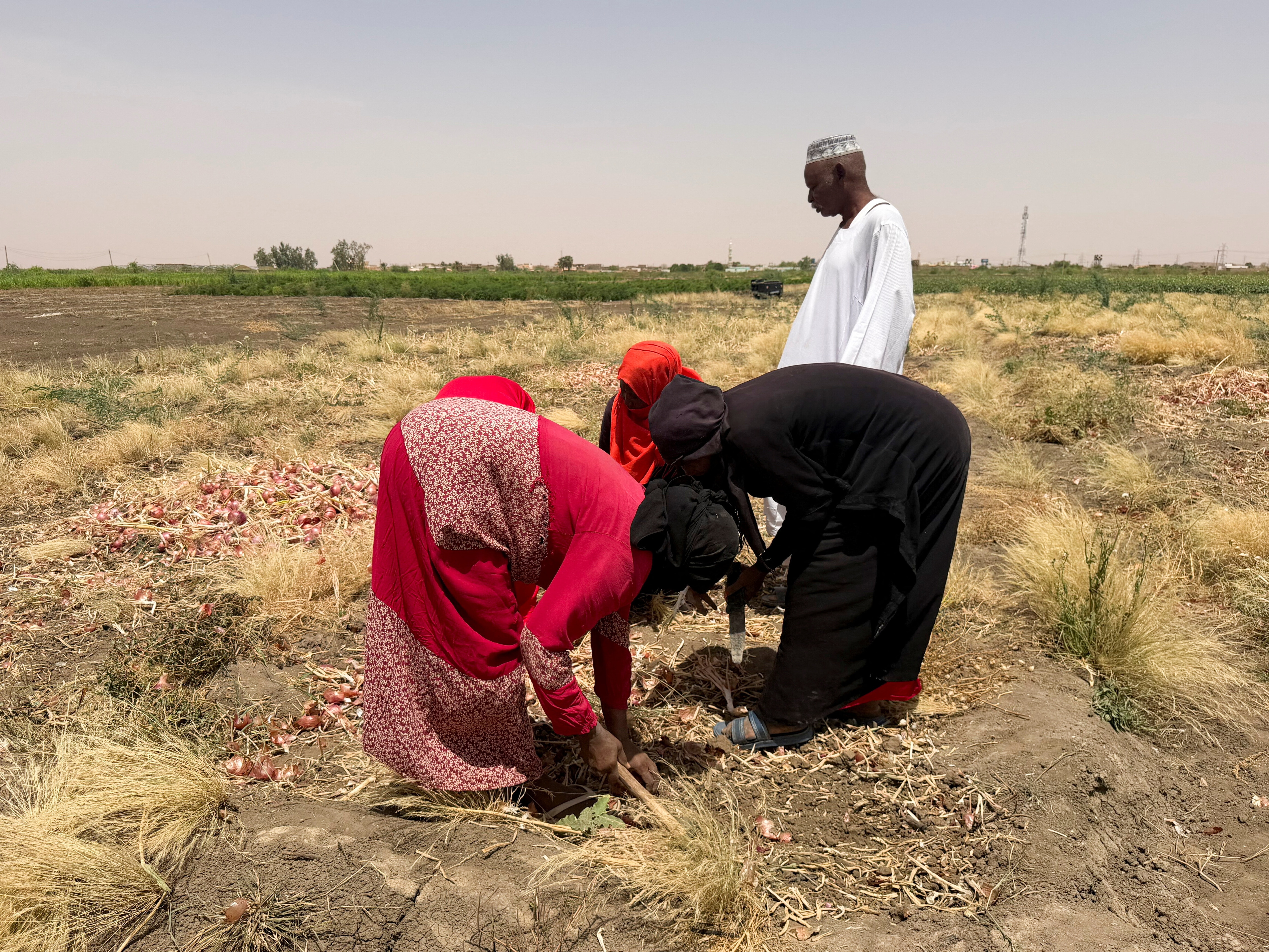
Floods, droughts, storms and other natural disasters cost the agricultural sector in developing countries $70 billion in damages between 2003 and 2013, said the study by the Food and Agriculture Organisation (FAO) released during an international conference on reducing disaster risk in Sendai, Japan.
Asia was the worst affected region with $28 billion in losses, followed by Africa’s $26 billion, said the study which analysed data from 78 disasters in 48 developing countries.
The new study showed that agriculture shouldered 22 percent of the total losses, leading FAO officials to call for more support for farmers in the face of crisis.
Only 4.5 percent of post-disaster humanitarian aid between 2003 and 2013 targeted agriculture, the study said.
Globally, 2.5 billion people make a living from agriculture. Small-scale farmers, herders and fishing communities are particularly vulnerable to disasters.
To protect farmers, countries need to “enhance preparedness to respond quickly when disasters occur,” FAO Director-General José Graziano da Silva said in a statement.
A cyclone tore through the South Pacific island nation of Vanuatu on Friday and Saturday, causing widespread destruction in a country ranked as the most vulnerable to natural disasters globally.
Many observers link the rising rate and intensity of the losses stemming from natural disasters to climate change.
Early warning systems, better food production techniques, and better information gathering to identify and respond to disasters could help reduce the burden these crises put on farmers, the study said.
This article is published in collaboration with Thomson Reuters Foundation. Publication does not imply endorsement of views by the World Economic Forum.
To keep up with the Agenda subscribe to our weekly newsletter.
Author: Chris Arsenault covers global food security and agricultural politics for the Thomson Reuters Foundation.
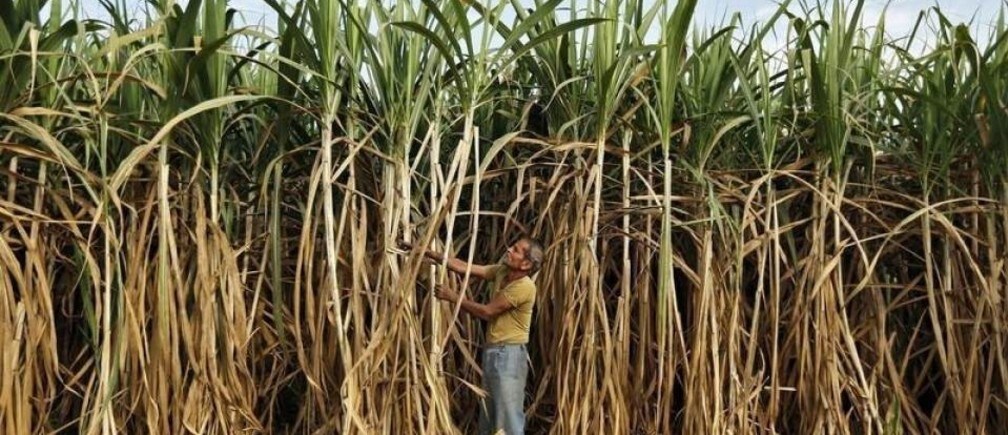
Image: A farmer works in his sugarcane field on the outskirts of the western Indian city of Ahmedabad. REUTERS/Amit Dave