The European Central Bank has cut its main deposit rate to -0.4%.
Japan, Switzerland and numerous European countries have pushed their interest rates below zero.
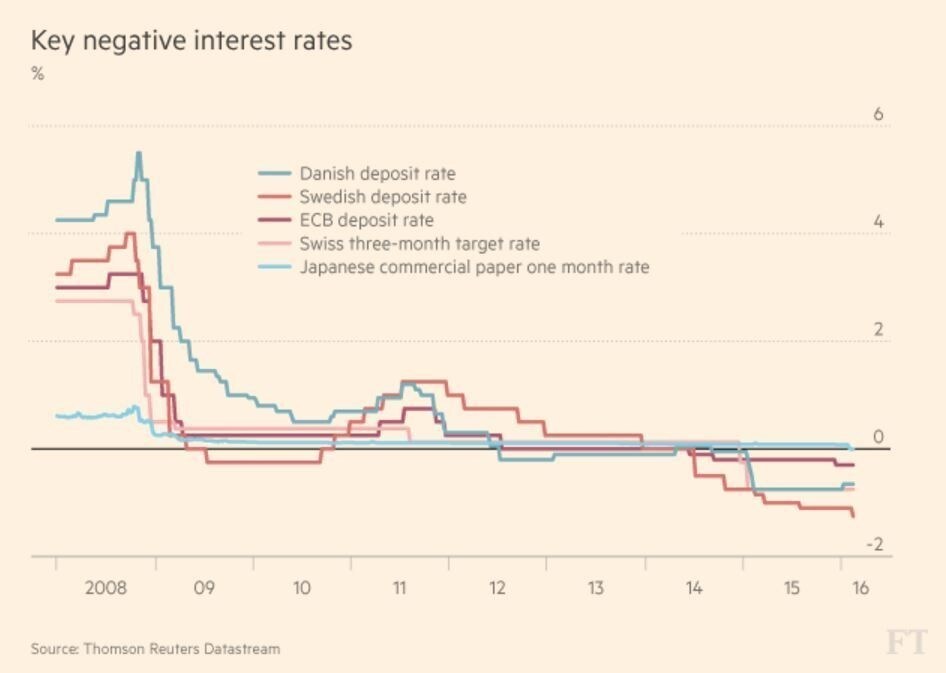
In these countries it costs banks money to hold deposits with their central banks. Why?
Central banks are tasked with stabilizing their economies. They can do this two ways:
By controlling interest rates, the rate at which they lend money to banks
By controlling the amount of money in the economy
Global economic confidence has disappeared
Since the global financial crisis, economic growth has been extremely poor across the developed world, so central banks have been using both these methods to try to boost things.
Businesses and households stopped investing in the future. Central banks cut interest rates to zero, so that banks would be able to lend at reasonable rates, and economies could start growing again.
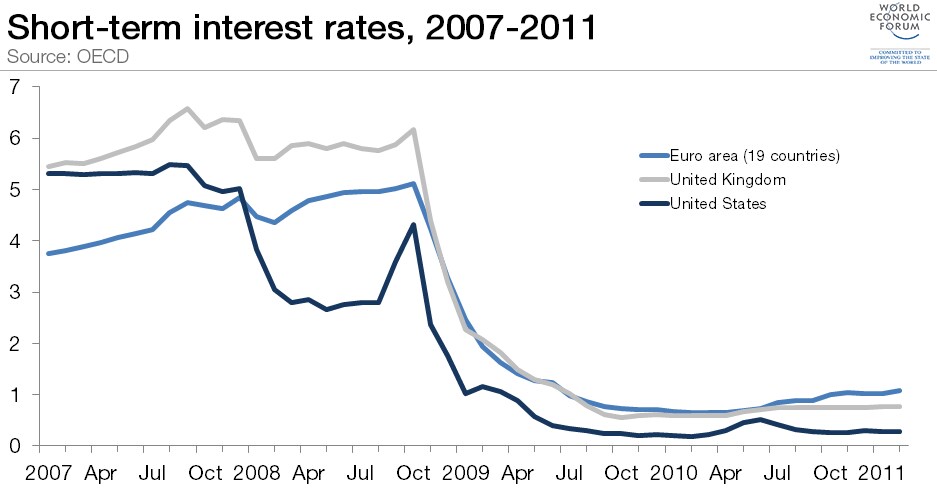
That was not enough
Central banks looked for new ways to rebuild confidence in their economies.
They started directly injecting money into the economy. They did this by taking assets on to their own balance sheets, and creating new money to pay for them.
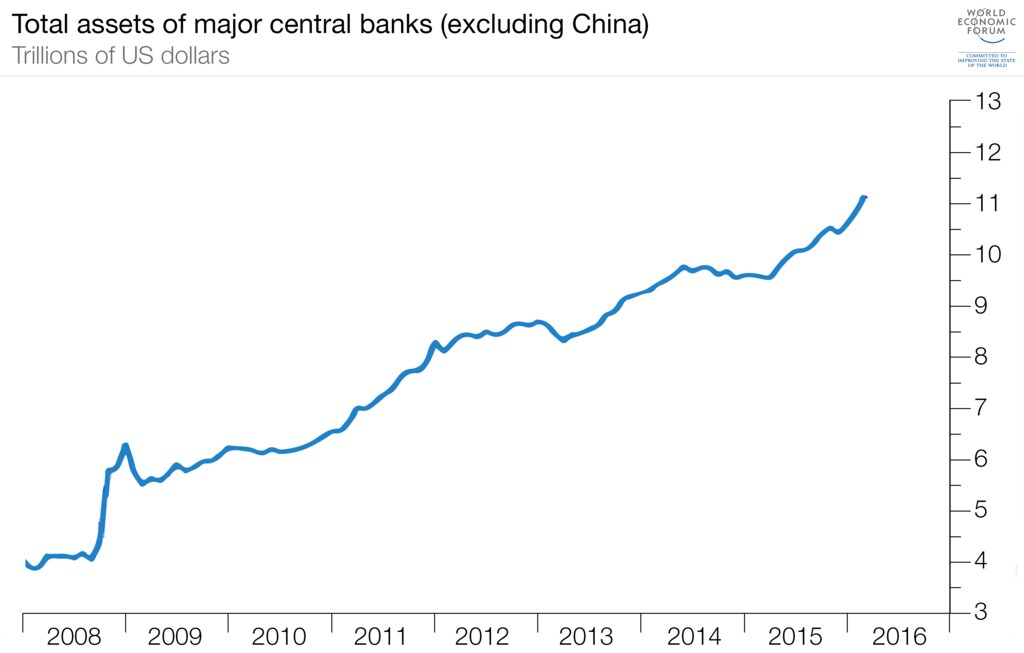
'Quantitative easing'
This policy was designed to make it cheaper for businesses and households to consume and invest, and kick-start economic growth. It has had limited success: growth has not accelerated since interest rates were radically cut and quantitative easing began.
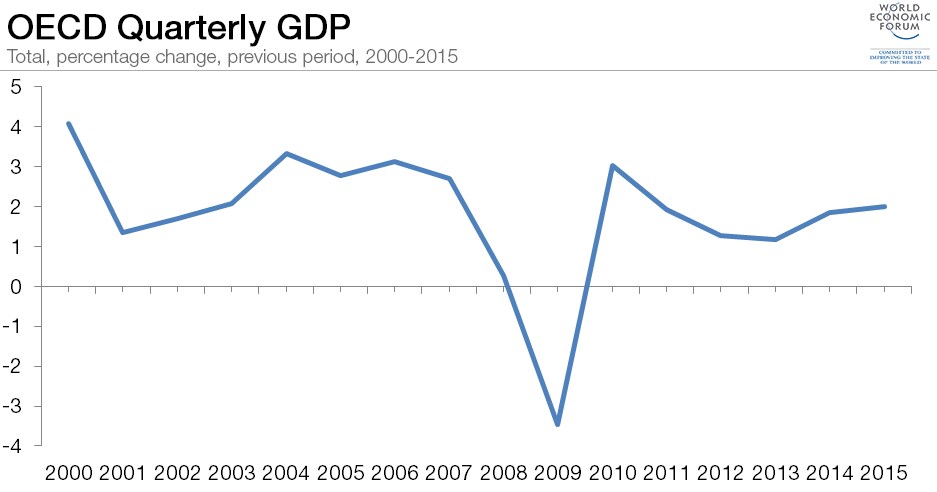
Central banks have gone even further
They cut interest rates to below zero in the hope that this will encourage banks to lend rather than hoard.
At the same time, quantitative easing is continuing. In Europe the central bank announced it was increasing asset purchases from €60 billion to €80 billion each month.
Demand across the developed world remains extremely weak, and many economists are worried that we are running out of options. This situation is unprecedented in economic history. Rates have not yet fallen so far that banks are passing them on to business or consumers. Many are wondering what will happen if they are pushed even lower.
Have you read?
Are long-term interest rates actually rising?
The central bankers' central bank on negative interest rates
Causes and consequences of low interest rates