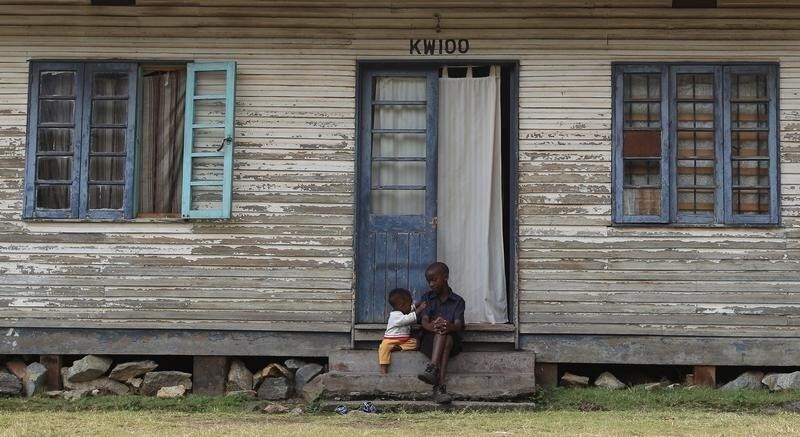
A list of some of the week’s most interesting stories on economic growth and social inclusion
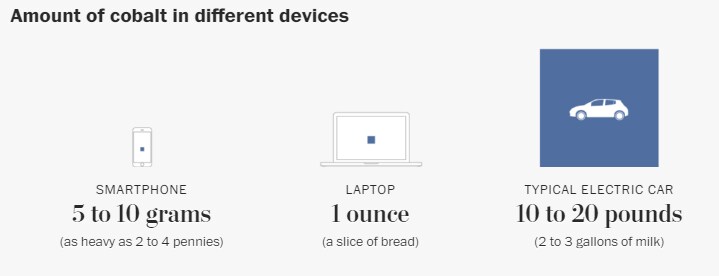
Facts and figures. Have you ever heard of cobalt? It’s used to make mobile technology and features in all of our lives. It also highlights the stark inclusive growth challenges that pertain to some of the world’s key supply chains. (The Washington Post)
The IMF’s October edition of the World Economic Outlook was released. It includes a downward revision of global growth and an expected protraction of low interest rates. (IMF)
The latest IMF World Economic Outlook contained plenty of food for discussion at this week’s World Bank and IMF fall meetings, where anaemic global growth and the backlash against trade took centre stage. (Reuters)
But should one worry about “deglobalization”? No, says this commentator. (Financial Times)
How can the global economy get out of the low-growth trap? (Project Syndicate)
A commission lead by prominent economists has analysed how multilateral development banks should be reformed in the face of today’s global challenges. (Bloomberg View)
A short interview with Dambisa Moyo on inequality. (Deutsche Welle)
The economics of having children holds some learnings for how policies could support more inclusive growth. (World Economic Forum)
How could India’s economy become more inclusive? (World Economic Forum)
Come Monday the Nobel Prize in economics will be awarded. What you may not know about is the origin of the prize. (Bloomberg View)