
A list of some of the week’s most interesting stories on economic growth and social inclusion.
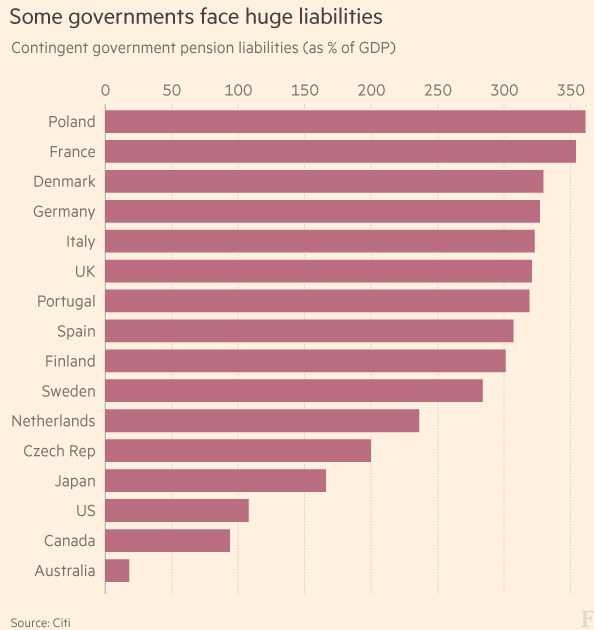
Facts and figures. Pension schemes are under stress amid low interest rates and rising old age dependency rates. What’s next? (Financial Times)
Trump vs Clinton. The Wall Street Journal asked all surviving former members of the White House Council of Economic Advisers which candidate they’re voting for. Here are the results. (Real Time Economics, Wall Street Journal)
Social inclusion of immigrants can create economic payoffs. Here’s how. (The Market Mogul)
Why refugees need jobs. Making it easier for refugees to find work would go a long way to improving their lot. (World Economic Forum)
A short summary of the changing nature of economics research, from theory to data. (Bloomberg View)
Demand for emerging market assets is high. Why, and is it here to stay? (Quartz)
How does technology affect trust in societies? And what does that mean for economies? (The Economist)
Globalization hasn’t always been managed well. But it’s still the best way towards greater prosperity for all. (World Economic Forum)
Anemic growth, high savings, low interest rates. Here is what central bankers are discussing at this week’s gathering in Jackson Hole. (World Economic Forum)
Data scarcity is an impediment to tackling poverty in some regions. Could satellites observing the earth at night be the answer? (The Atlantic)