
AI
与AI为伴的风险:孩子可能正向机器“学做人”
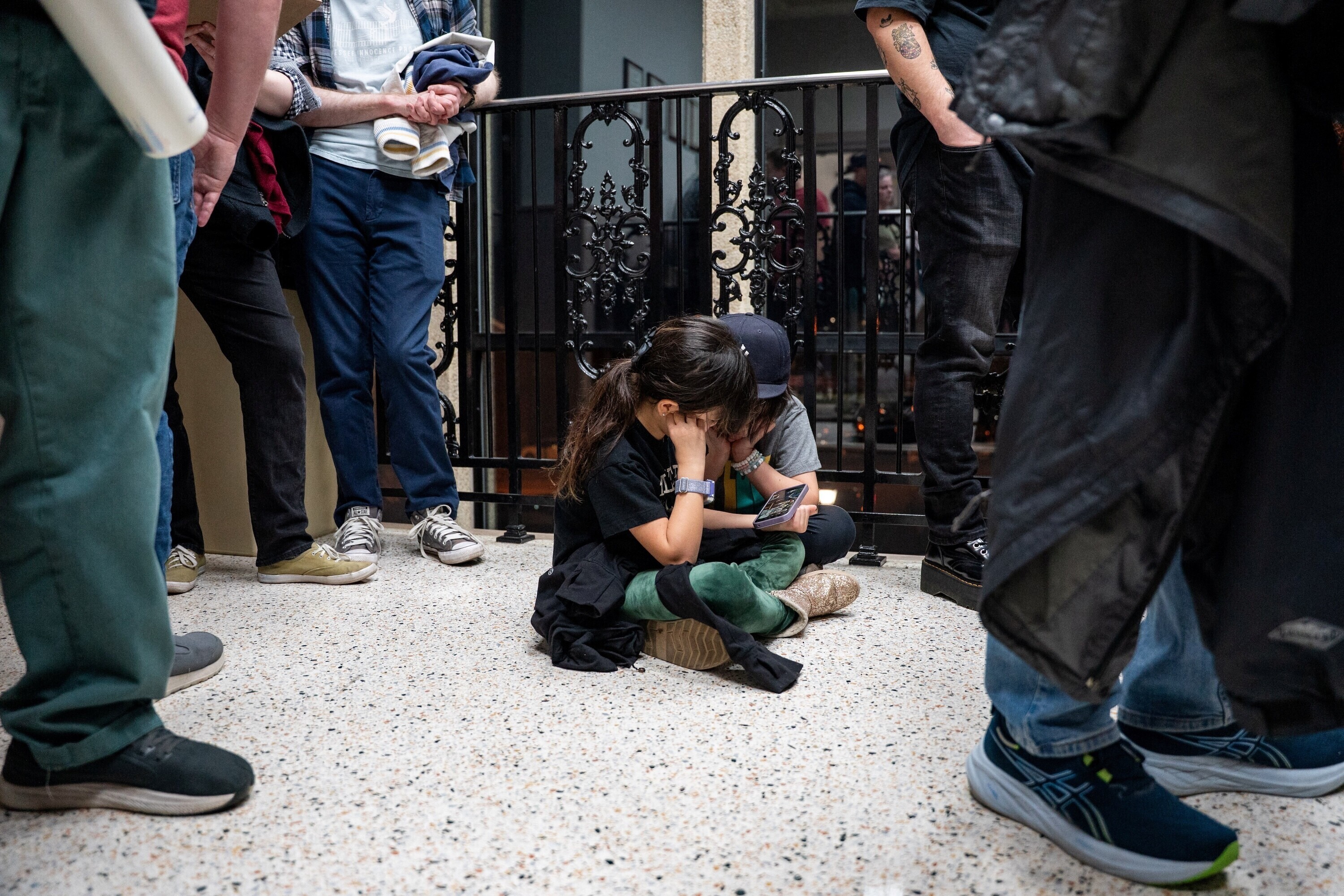
1930年,Winthrop与妻子Luella Kellogg迎来了他们的第一个孩子Donald。这个孩子的出生,为身为心理学家的Winthrop提供了一个机会,去探究一个存续已久的疑问:如果把黑猩猩像人类一样养大,它能否发展出与人类相近的能力?之前不是没人试过,但问题是:那些每天发生上千次的、真正把习惯、技能和文化“喂”进去的微小互动,太难复制了。Winthrop的解法...
Todd Grindal, EdD, is the President of SRI Education. Grindal provides strategic leadership across a wide range of research, evaluation, and technical assistance initiatives designed to inform education policy and practice. He has led projects for the U.S. Department of Education, the Administration for Children and Families, and through state-level partnerships in Arkansas, Virginia, Massachusetts, and Montana. His work bridges policy and practice, with a focus on methodological rigor, early childhood and special education, and the application of emerging technologies to persistent educational challenges.
Grindal’s work is grounded in close collaboration with policymakers, practitioners, and community partners to design studies that are relevant, actionable, and methodologically sound. He has led initiatives examining efforts to improve instructional coaching, reduce exclusionary discipline, expand access to inclusive education, and understand how systems and families navigate early childhood programs. He brings deep expertise in experimental and quasi-experimental methods, survey design, and policy analysis, and has contributed to cross-disciplinary innovations at the intersection of education, artificial intelligence, and digital media.
Grindal has authored numerous peer-reviewed publications and regularly presents his work at scholarly conferences. He co-edited a special issue of Early Childhood Research Quarterly on Latino families’ access to early education and has received national recognition for methodological contributions, including the Applied Research Award for Advances in Methodology from the American Educational Research Association and the Journal Article of the Year award from the Society for Research on Educational Effectiveness. He has also been an invited speaker at the United Nations.
From 2021 to 2024, Grindal taught a graduate course on special education policy and practice at the Harvard Graduate School of Education, where he mentored future educators and policy leaders. In addition to his research and teaching, he serves in professional advisory roles, including with the National Center for Learning Disabilities and the Child Care and Early Education Policy Research Consortium.
He earned his doctorate from the Harvard Graduate School of Education, where he was a Julius B. Richmond Fellow. Earlier in his career, he worked as an elementary and preschool teacher and school administrator.
1930年,Winthrop与妻子Luella Kellogg迎来了他们的第一个孩子Donald。这个孩子的出生,为身为心理学家的Winthrop提供了一个机会,去探究一个存续已久的疑问:如果把黑猩猩像人类一样养大,它能否发展出与人类相近的能力?之前不是没人试过,但问题是:那些每天发生上千次的、真正把习惯、技能和文化“喂”进去的微小互动,太难复制了。Winthrop的解法...
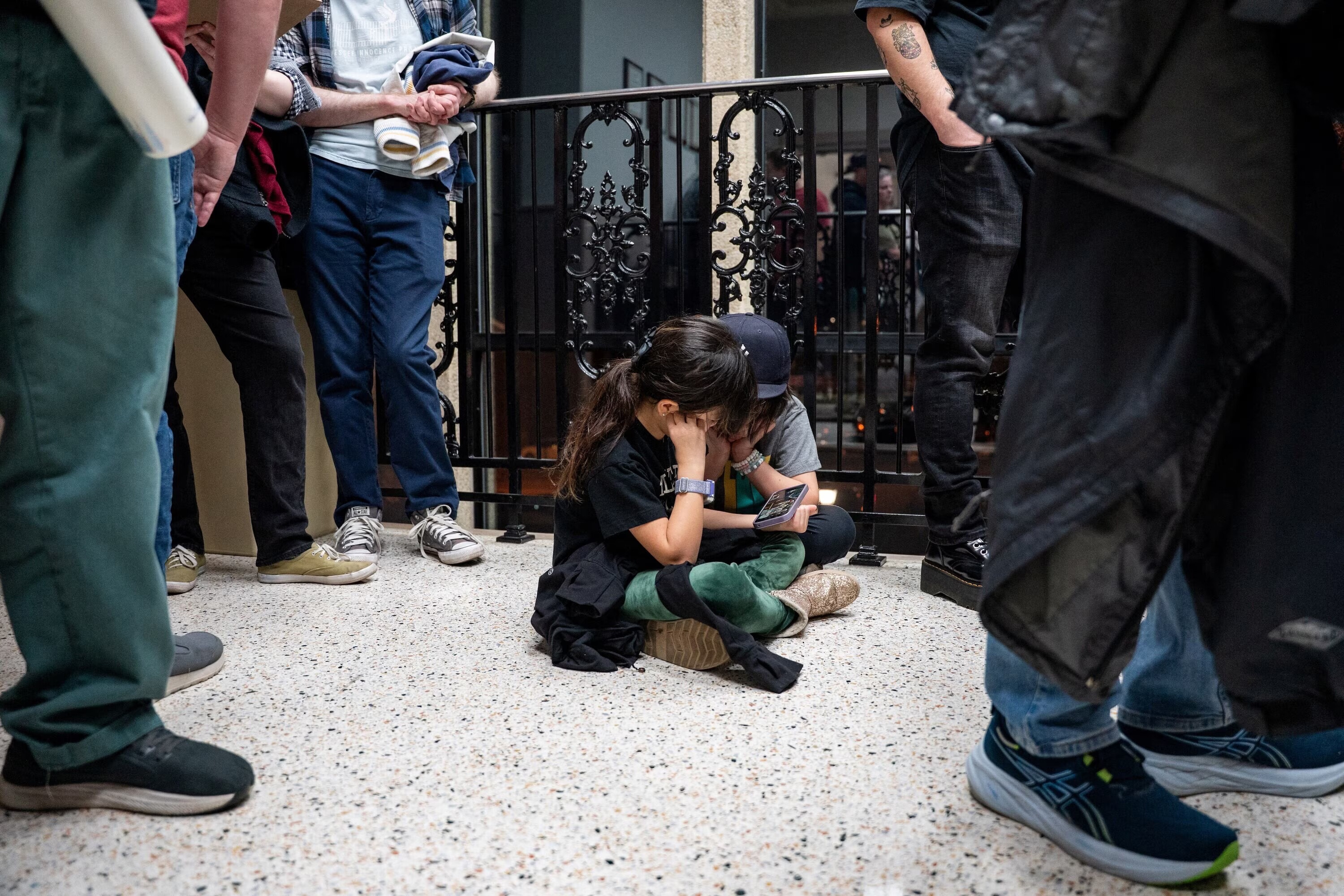
1930年、ウィンスロップ・ケロッグ教授とその妻、ルエラは、長男ドナルドを授かりました。我が子の誕生は同教授に、長年抱えていた疑問を検証する機会をもたらしました。チンパンジーを人間のように育てれば、ホモサピエンスの親戚として匹敵する能力を発達させられるのでしょうか。過去に同様の試みはあったものの、人間の習慣、スキル、文化を育む、日々の無数の微細な相互作用を再現するのは困難...
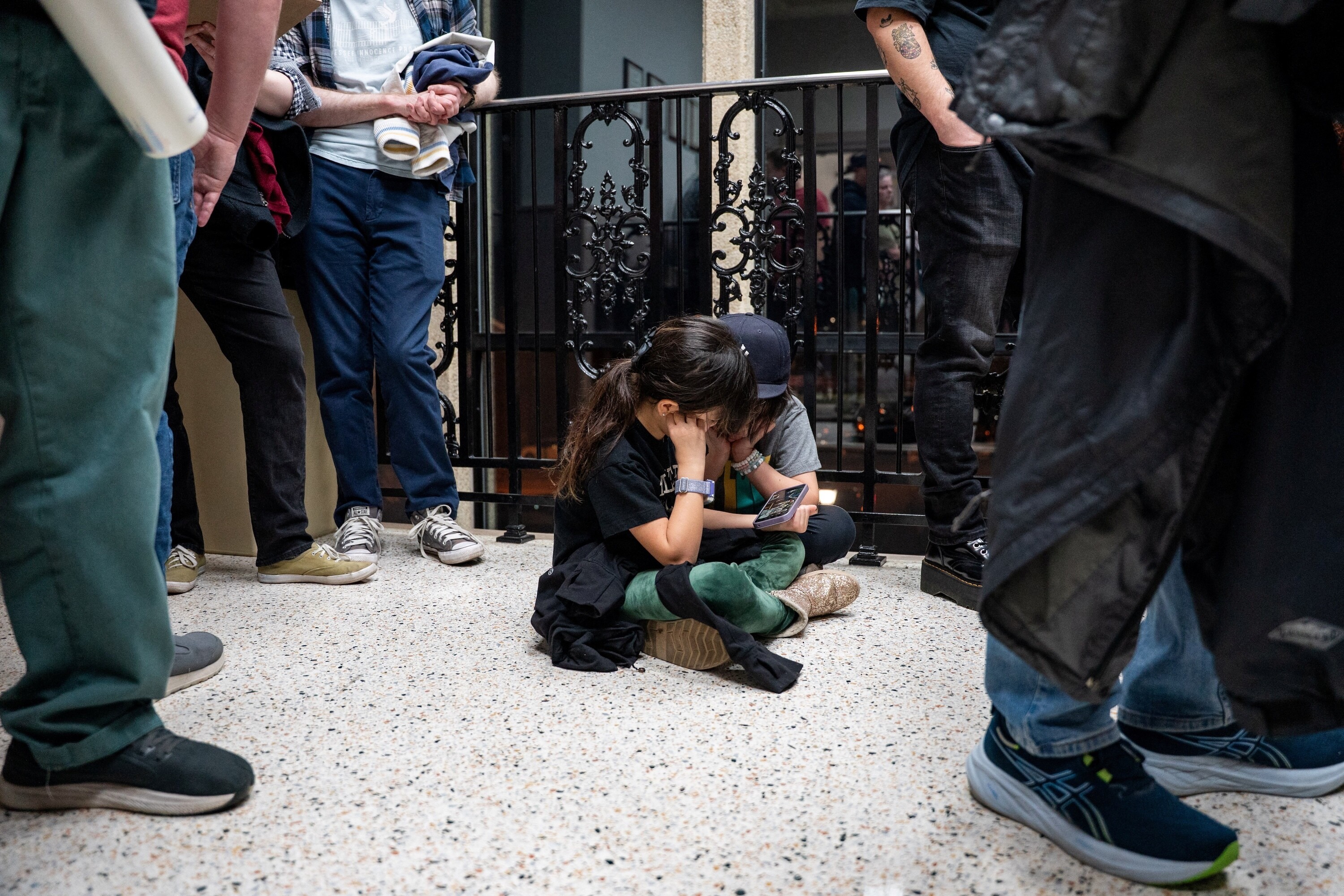
In 1930, Winthrop and Luella Kellogg welcomed their first child, Donald. His birth provided Professor Winthrop the opportunity to investigate a long-standing question: Could a chimpanzee,...

