


よりよい企業
在动荡的世界中重塑企业战略
世界已步入一个持续动荡的时代。几乎每隔六个月,就会有一场新的危机迫使决策者们推翻既有方案,重新审视那些他们原以为已成定局的计划。地缘政治冲突与贸易壁垒、人工智能(AI)的指数级发展、劳动力结构转型,以及能源价格和原材料供应的剧烈波动,共同造就了一种前所未有的普遍不确定性,取代了曾经支撑企业规划的相对可预测性。
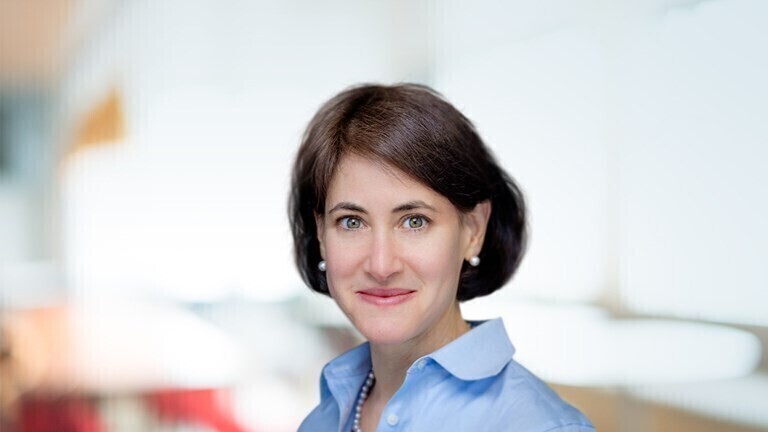
Karen Harris is the Managing Director of Bain & Company’s Macro Trends Group, based in New York. The Bain Macro Trends Group (MTG) is the capability group for developing Bain’s insights about global macroeconomics, macro social trends and geopolitics as they impact the results of Bain’s clients. The group’s proprietary research includes work on trends driving global growth in GDP and in capital markets, as well as specific geographic analyses (including China, the United States, and the Eurozone), which it uses to help clients understand the potential impact of the volatile global environment on their businesses. She frequently works with institutional investors to embed macro strategy into their investment strategy and due diligence.
Karen has an M.B.A. with distinction from Harvard Business School and a J.D. from Columbia Law School. She graduated with honors from Stanford University, where she received a B.A. in Economics and a B.A. in International Relations.
Karen is regularly featured in major media outlets including the Wall Street Journal, Financial Times, The Harvard Business Review, Forbes, Economic Times of India, Caijing China, and CEO Forum Australia, and Bloomberg Television.
She is a member of the Council on Foreign Relations, the National Committee on US-China Relations, and the Economics Club of New York, and the Community of Chief Economists for the World Economic forum. Karen serves on the Board of Helen Keller International, a global non-profit focusing on health and nutrition.
世界已步入一个持续动荡的时代。几乎每隔六个月,就会有一场新的危机迫使决策者们推翻既有方案,重新审视那些他们原以为已成定局的计划。地缘政治冲突与贸易壁垒、人工智能(AI)的指数级发展、劳动力结构转型,以及能源价格和原材料供应的剧烈波动,共同造就了一种前所未有的普遍不确定性,取代了曾经支撑企业规划的相对可预测性。

The world has entered an era of permanent disruption. Every six months, it seems a new crisis sends leaders back to the drawing board to re-examine plans they thought were settled. Geopol...

History shows that severe economic disruptions can prompt countries to rethink the role of government in the marketplace. After the disruptions of the last five years, spurred by the COVI...

