Today, the World Bank is hosting the Data2X and the Gender Data Revolution event to draw attention to some of the most disturbing issues in development. Too many people are still uncounted. Too much data is out of date, unreliable or simply not available. Too many people are not able to access and use the data they need to make informed decisions and hold others accountable.
Lack of data on women and girls has hindered efforts to advance gender equality and design evidence-based policies that can lift the multiple constraints holding them back – and shed light on many aspects of their work, health, economic status, financial inclusion, ownership of and control of assets, access to services, voice, and agency. In many countries, particularly in the developing world, these data simply do not exist.
Created by former U.S. Secretary of State Hillary Clinton, Data2X is an exciting initiative that aims to build new partnerships to improve data collection and demonstrate how better data on the status of women and girls can guide policy, leverage investments and inform global development priorities.
All over the world, women are denied basic services and protection of their rights because of deficient civil registration and national identification (ID) systems. Lacking records of their birth and civil status, they are excluded from health coverage, schooling, social protection programs, and humanitarian response in emergencies and conflicts.
I am honored to be invited to speak at this important event at the World Bank today, together with UN Foundation Senior Fellow Marya Buvinic and other World Bank colleagues.
I’ll be presenting the Identification for Development (ID4D) cross-practice effort of the World Bank Group to help raise awareness on the importance of good identification data in development and to underline the benefits and implications for women and girls around the world. Evidence shows that that those who lack birth registration and legal identity are typically the most vulnerable groups of people in the poorest countries. The majority are women.
Some 750 million children do not officially exist today, because their births have never been registered. The session will also explore how an identity target in the post-2015 agenda can urge governments to ensure that all women and children have free or low-cost access to widely accepted, robust identity credentials that enable them to fully participate in economic and social life.
This article was first published by the World Bank’s Information and Communications for Development blog. Publication does not imply endorsement of views by the World Economic Forum.
To keep up with the Agenda subscribe to our weekly newsletter.
Author: Mariana Dahan is the Coordinator of the Identification for Development (ID4D) Working Group.
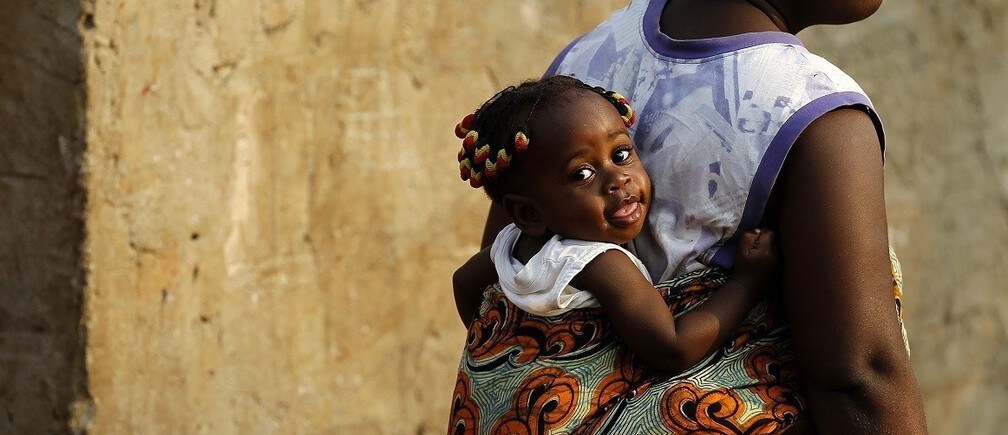
Image: A woman with a baby on her back looks on at an informal settlement in the capital Luanda, August 30, 2012. REUTERS.