再生された森林は気候変動の抑制に役立つ可能性がある

Replanted forests and those left to recover after logging activities can preserve vital insect and plant life in a similar way to old-growth forests, scientists have found, as interest grows in expanding the world's forests to curb climate change. A 13-year study led by researchers at Xi'an Jiaotong-Liverpool University in Suzhou city examined the diversity of beetle and shrub species in different forest types across China. The scientists found little difference in biodiversity between replanted, naturally re-grown and undisturbed forests. Yi Zou, the lead researcher, said the findings put to rest the notion that plantations and secondary forests - where trees grow back on their own after felling - are "green deserts" with no ecological value. "There has been criticism in recent years that plantation and secondary forests lack biodiversity and do not address the environmental problems deforestation has caused," he said. "While nothing compares to primary forests, our findings show that biodiversity, which is vital to all aspects of life – from the air we breathe to our food sources – can be recovered through newly regenerated forests." The study found that secondary forests harboured the highest proportion of large-bodied beetles, denoting a complex food web. The world lost 12 million hectares (29.7 million acres) of tree cover in 2018, the fourth-highest annual loss since 2001, when monitoring service Global Forest Watch began tracking the state of forests. Of greatest concern, it said, was the disappearance of 3.6 million hectares of old-growth rainforest, an area the size of Belgium, much due to fires, land-clearing for farms and mining. This year, a surge in the number of fires in the Amazon has sparked international outrage and protests in front of Brazilian embassies. Environmentalists say protecting existing forests and restoring damaged ones prevents flooding, sucks up more planet-warming carbon, and protects biodiversity. The new study, published in the journal Diversity and Distributions, covered an area of 500,000 square kilometres (193,000 square miles) in China, which is home to the world's largest secondary and plantation forests. Its findings also apply to those forest types outside China, said Zou, as long as they contain a good variety of native tree species and are strictly protected to allow regeneration.
Replanted forests and those left to recover after logging activities can preserve vital insect and plant life in a similar way to old-growth forests, scientists have found, as interest grows in expanding the world's forests to curb climate change. A 13-year study led by researchers at Xi'an Jiaotong-Liverpool University in Suzhou city examined the diversity of beetle and shrub species in different forest types across China. The scientists found little difference in biodiversity between replanted, naturally re-grown and undisturbed forests. Yi Zou, the lead researcher, said the findings put to rest the notion that plantations and secondary forests - where trees grow back on their own after felling - are "green deserts" with no ecological value. "There has been criticism in recent years that plantation and secondary forests lack biodiversity and do not address the environmental problems deforestation has caused," he said. "While nothing compares to primary forests, our findings show that biodiversity, which is vital to all aspects of life – from the air we breathe to our food sources – can be recovered through newly regenerated forests." The study found that secondary forests harboured the highest proportion of large-bodied beetles, denoting a complex food web. The world lost 12 million hectares (29.7 million acres) of tree cover in 2018, the fourth-highest annual loss since 2001, when monitoring service Global Forest Watch began tracking the state of forests. Of greatest concern, it said, was the disappearance of 3.6 million hectares of old-growth rainforest, an area the size of Belgium, much due to fires, land-clearing for farms and mining. This year, a surge in the number of fires in the Amazon has sparked international outrage and protests in front of Brazilian embassies. Environmentalists say protecting existing forests and restoring damaged ones prevents flooding, sucks up more planet-warming carbon, and protects biodiversity. The new study, published in the journal Diversity and Distributions, covered an area of 500,000 square kilometres (193,000 square miles) in China, which is home to the world's largest secondary and plantation forests. Its findings also apply to those forest types outside China, said Zou, as long as they contain a good variety of native tree species and are strictly protected to allow regeneration.Image: REUTERS/Thomas Peter
このページは、生成AIにより自動翻訳されています。

科学者らの研究によると、伐採後に植え直された森林や回復に任された森林は、原生林と同様の方法で、重要な昆虫や植物の生命を維持できる。世界の森林を拡大して気候変動を抑制する動きへの関心が高まっている。

蘇州市にある西交利物浦大学の研究者らが主導した13年間の研究では、中国全土のさまざまな森林タイプにおけるカブトムシ類と低木類の多様性が調査された。

科学者らは、植林された森林、自然に再生した森林、手つかずの森林の間で、生物多様性にほとんど差がないことを発見した。

主任研究者のYi Zou氏は、この研究結果により、プランテーションや二次林――伐採後に樹木が自然に再生する森林――は「緑の砂漠」であり生態学的価値がないという考え方に終止符が打たれたと述べた。

「近年、プランテーションや二次林には生物多様性が欠けており、森林破壊が引き起こした環境問題に対処していないという批判が出てきている」と同氏は述べた。

「原生林に勝るものはないが、我々の研究結果は、空気から食料源に至るまで、生命のあらゆる側面にとって不可欠な生物多様性が、新たに再生された森林によって回復できることを示している」

この研究では、二次林に大型のカブトムシ類が最も多く生息しており、複雑な食物網が存在することが示された。

2018年、世界では1,200万ヘクタール(2,970万エーカー)の樹木被覆が失われた。これは、森林の状況を監視するサービスであるGlobal Forest Watchが2001年に追跡を開始して以来、4番目に大きい年間損失である。

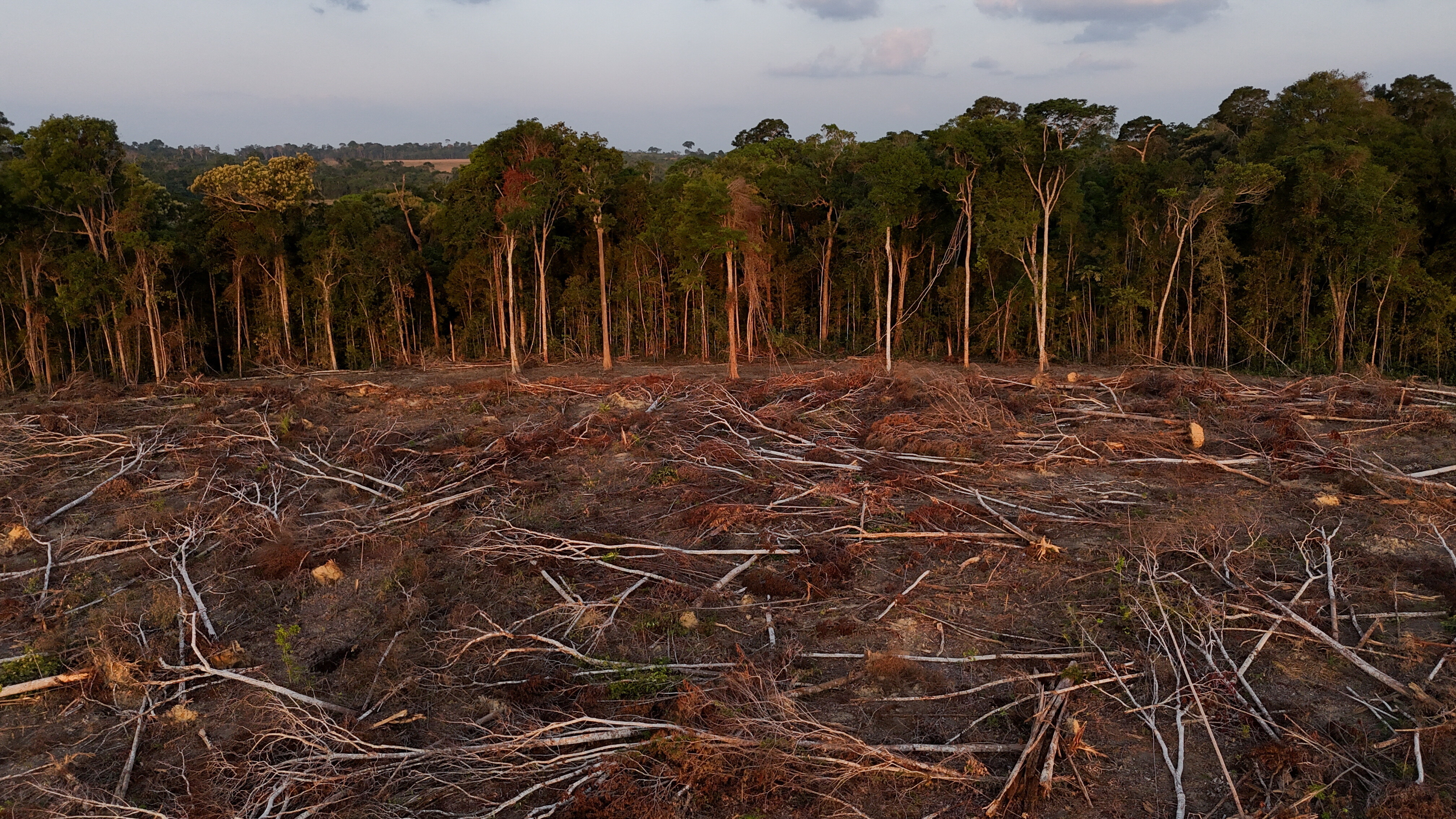
同サービスが最も懸念しているのは、360万ヘクタールの原生熱帯雨林が消失したことである。その面積はベルギーの国土に相当し、主に火災、農地のための土地開拓、鉱山開発によるものだという。

今年、アマゾンでの火災件数が急増し、国際的な怒りを呼び、ブラジル大使館前で抗議活動が行われた。

環境保護活動家らは、既存の森林を保護し、損傷した森林を再生させることで、洪水を防ぎ、地球温暖化の原因となる炭素をより多く吸収し、生物多様性を守ることができると述べている。

『Diversity and Distributions』誌に掲載された今回の研究は、中国の50万平方キロメートル(19万3,000平方マイル)の地域を対象としており、同地域は世界最大規模の二次林と植林地を有している。

Zou氏によると、研究結果は、中国外の森林タイプにも、在来樹種が多様に含まれ、再生を可能にするため厳格に保護されている限り、適用できるという。

ライセンスと再掲載について
世界経済フォーラムの寄稿文は、クリエイティブ・コモンズ表示-非営利-改変禁止 4.0 国際ライセンスおよび同フォーラムの利用規約に従い、再掲載が可能です。