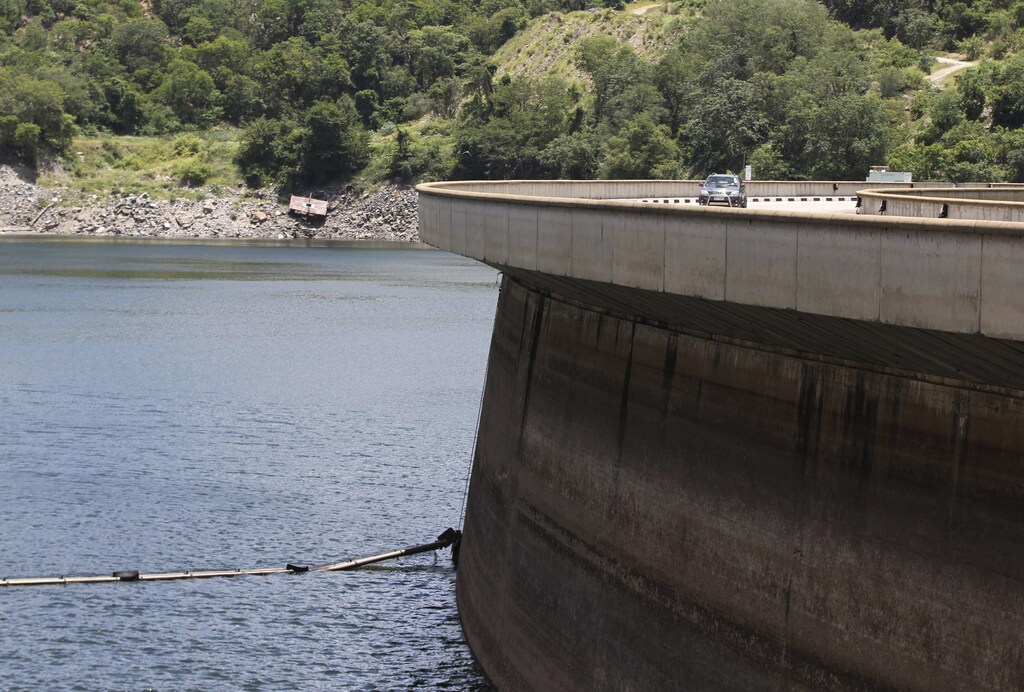
Zimbabwe's main hydropower dam could stop producing electricity in six months if water levels keep falling after the nation's worst drought in more than two decades, an official said on Friday.
Impacts of drought on Zimbabwe's hydropower
Zimbabwe and neighbouring Zambia both rely heavily on the Kariba dam for electricity, and falling dam levels at the plant raises the threat of deeper power cuts in the two countries which are already faced with frequent power shortages.
Kenneth Maswera, Kariba Power Station's general manager told reporters that dam levels were at 12 percent of capacity, a level last recorded in 1992 during a severe drought in Zimbabwe.
"We've not received any significant inflows, basically the level is going to continue going down if we don't get any flows into the lake," said Maswera in Kariba town, 390 km (242 miles) northwest of the capital Harare.
Without any new inflows, the dam would only generate power for the next 165 days, Maswera said.
Supplies from Kariba, which has an installed generating capacity of 750 megawatts (MW), were at 285 MW now, he said.
Zimbabwe is importing 300 MW of electricity from South Africa's power utility Eskom and another 40 MW from Mozambique, which has eased the power cuts, officials say.
The drought has left 3 million people in need of food aid in Zimbabwe, and farmers in Zimbabwe have lost cattle and crops to drought but fear the worst is yet to come.