Robin Pomeroy: Welcome to Radio Davos and...
Ravi Velloor: I'm Ravi Velloor with Straits Times and this is the Straits Time's Asian Insider Podcast.
Robin Pomeroy: It's great to be co-presenting with you, Ravi. We've talked about this literally for years. And so finally we get to do it. Radio Davos for your listeners is the weekly podcast from the World Economic Forum which looks at lots of big issues in the world with the emphasis on potential solutions, ways of dealing with those problems.
What's your podcast about?
Ravi Velloor: Well, it's about Asia, generally, and it's a weekly podcast, and it rotates between the four of us. And I do it on the second Friday of every month.
Robin Pomeroy: Great well and audiences will get the best of both worlds.
We have a fantastic guest with us to talk about China and China in the world.
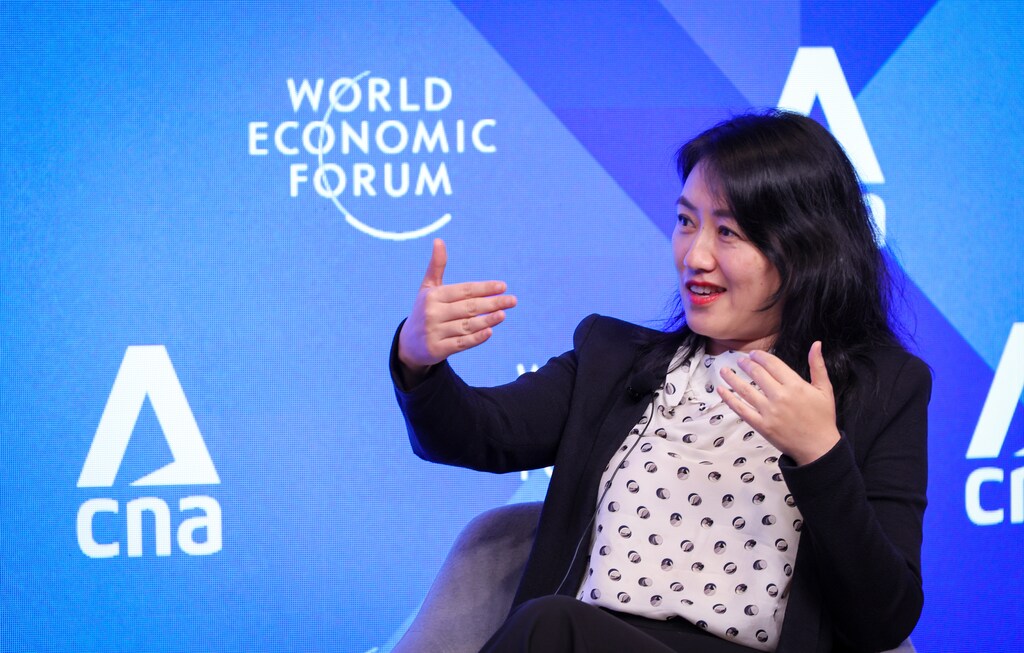
She's the Founder and chief Executive Officer of Wusawa Advisory. It's Qian Liu.
Qian Liu: Correct.
Robin Pomeroy: Very good. Did I get the name of your advisory right? Tell us what what that is
Qian Liu: Yes. Well, thank you for asking. And first of all, thank you for having me at both of your podcasts.
So Wusawa is a name that I created. It takes after the Swahili name of Wusawas, so it takes the W outside the equation. So it's U-S-A-W-A, which means balance and equity. So I got the inspiration from Maasai Mara when I was there.
And I realised, look at nature, you know, nature has this magical way of balancing different species. And how is it in the current geopolitical world that we have is so disrupted and uneven? So I felt that the company that we have, the mission is really to provide that understanding and bridges to help the business to navigate through this very uncertain and uneven geopolitical world, especially in the age of China rising.
And Swahili is great because that's where humans originated from. So that's how we got the name. The purpose is to help business to navigate through this uncertain and uneven geopolitical world.
Robin Pomeroy: You're the perfect guest for this episode, right,
Ravi Velloor: Absolutely perfect, and what a name that you've given your company. Thank you. If you don't mind me telling you a little bit of a story about the African dung beetle. Would you like to know that the African Dung Beetle navigates at night using the Milky Way as its guide point?
Qian Liu: That's beautiful.
Ravi Velloor: That shows how related man and not just man but beast and even the smallest insect is with the universe.
Robin Pomeroy: Wow, we've started very poetic. But it's great to be talking about the environment because I've not been hearing enough about that, our relationship with nature.
Qian Liu: It's that ecosystem really.
Robin Pomeroy: Great. Well, hopefully we'll get on to that a little bit. But first, you mentioned the period of China rising. We're speaking, by the way, here at the World Economic Forum's Summer Davos in China, in Dalian.
And yeah, it's China rising, but there are challenges to the Chinese economy, aren't they? If I came to you and said, can you explain to me, we know China's had an economic miracle, but where are things right now? What are the challenges? What would you tell me?
Qian Liu: Yeah, so I like to start by saying that there are both challenges and great opportunities at the Chinese economy, but when we look at the challenges, let me frame it when we look at sort of the typical way of looking at any economy, which is the three key pillars, the export and the import sector, the private consumption part, and then there is the investment part.
So when it comes to export, actually, it's very important to know that, as much as the world is talking about China, you know, over capacity sort of the rising trade surplus, like last year, China's trade surplus grew by 20% compared to the year before, right? So this is causing a lot of discussions in the world.
But the truth that export does not matter to China as much as before. At the peak of time, about 20 years ago, 2007, export was 35% of China's GDP. And right now is about only half of that. Last year was 19, 18% of it.
And as much as we talk about tariffs with the US, for instance, the trade to US is only a tiny part of that. In fact last year, China's exports to the US was less than 10%. And so that is less than 50% of the peak. So when you do the math, even if the entire China's export to the U.S. Were to collapse. That is only about 2% of China's GDP.
So export as important and much discussed is not the most important part of the Chinese economy, but there are of course challenges. For instance, you know, the tariffs war with the U S, but I'm a lot more worried about the upcoming trade war potentially with Europe. So that's one side.
And then the largest part of the Chinese economy is private consumption. And that's worrying because that's almost 40% of the GDP. So how this performs is fundamental to Chinese economy.
But there is a level of lack of confidence. To start with, the annual disposable growth rate is much slower compared to before. So last year was 5% the same level of GDP. Not like 8% or double-digit growth, right?
And on top of that, the unemployment rate is quite high and the youth unemployment is especially high. Depending on different surveys, whether it is official or some professors, the highest number I've seen for youth unemployment was 46% a couple of years ago, and this is enormous.
So imagine you're one of the consumers.
Ravi Velloor: 40%?
Qian Liu: Yes, for youth, right. So... Kids graduate from college, they don't have a job, right? So put yourself into their shoes, then your annual income is not really growing as much as before. On top of that, you have a much higher chance of getting unemployed. Of course you don't the confidence to spend.
And there's another side of that which is the wealth impact. So property market is very important to China. And according to some different surveys, the absolute majority of Chinese households own a house of some sort, so more than 90% of Chinese household own a house, and 20% of them own at least two houses or even more.
Now, when the property prices start to drop, that means all of a sudden I don't feel as rich as before. But when the price was going up before every day, even if I weren't doing anything, I was becoming richer. Of course I had the confidence to spend, but now I don't.
So when you put all these three together: I'm not earning as much or rapidly growth as before, I have higher risk of getting unemployed, and then I'm as rich as before. Obviously the confidence to spend is much lower than before.
So that is really the biggest challenge for the private consumption part.
And then finally it's the investment side. Whether it's infrastructure or property market or just sort of overall investment, physical investment, you know, all the companies' investment. We're also seeing that a level of uncertainty, whether it is caused by the external world or the lack of confidence, that is all feeding into that sentiment.
And then on top of that, interestingly, there are times I compare China with Silicon Valley in the sense that Silicon Valley is the place that we have venture capitals that we try a lot of different projects, right? And in China it's the same. Different provinces compete, different cities compete. So it's like a giant venture capital.
But the beauty of venture capital is that you have so many pipeline projects at the same time. And also the spirit is you fail fast and then you pivot fast. And that was in an essence how China was. Like people were encouraged to try different things. It's fine if you make mistakes, but then you try something else.
But right now the overall sentiment is not to make any mistakes. And what is, if you change that success or pivot fast, if you changed the KPI from that to make fewer mistakes, then what is the safe bet? The safer bet is not do anything. And that to me is something that is a big challenge, that sentiment change in China. So yeah, that's where China is.
Ravi Velloor: Sure, you know, in April 2020, I wrote a column in the Straits Times and it's called The Risks of Putting All Your Eggs in the China Basket, and one of the points I picked up in that column was the massive debt pile of China Evergrande, and I said, look, this doesn't look sustainable, and it reminds me of the early days of the Asian financial crisis and what happened to real estate.
But I've heard lately that a lot of that poison has left the system. Is there hope for a turnaround in Chinese property in the near future? Is there something that you see?
Qian Liu: I wouldn't put my money to bet on a high return of Chinese property market in the longer term.
There are certain positive factors that will continue to drive the Chinese property market, whether it is urbanisation rate, whether it is the growth in people's incomes, but they're also big factors to drag this down, for instance, whether the current stocks in certain regions are much higher compared to the actual demand, or we look at, you know, the major demographic shifts as such.
So property market would not be like sort of the fast-growing engine for Chinese economy going forward.
Ravi Velloor: Because I was talking to a major Australian property developer and they were talking about going into the elder care segment as a possible growth opportunity in the building for the elderly.
Robin Pomeroy: Just so you know, for anyone not following Asia quite as closely as both of you, the Evergrande affair was this Chinese property development company that got into a lot of trouble because of debt.
There's so much in in your initial answer I don't know what to come back for the first follow-up question. I thought of you said the impending trade war with Europe. I'm often curious of what is a trade war, because is there a trade war with the US at the moment? There's certainly been trade battles. Maybe, I don't know. But why do you think there's apparently an inevitable trade war with Europe?
Qian Liu: I hope I'm wrong, but perhaps instead of saying inevitable, I would say the very likely upcoming trade war with Europe, initiated by Europe.
I just came back from Europe and I'm more convinced and worried than ever about that.
So the trade, we'll call it trade war, trade frictions with the United States. You know, between these two countries, you're still seeing the the bans of rare earth or high-end chips and all of that. And you still see quite a level of tariffs on many products. So I would still call that a trade war, even if it's no longer 145%, right?
But with Europe it's different.
US and especially the Trump administration is very quote, quote, "practical" about this. So to President Trump, it's more a negotiation, his "art of the deal." So everything is about to come up with a number that he would be very happy about. And he can change it from the morning to the evening, but not so much about Europe.
The way I see it is that Europe is slowly cooking that negative sentiment about trade with China, about trade deficit with China. And that it takes quite some time for Europe to decide the actions, but once they do, it will stick. And when they do that, China will also retaliate.
And China cares more about the United States than any other countries. Unfortunately, in this case. And so China would retaliate, and then chances are Europe would add on top of that.
And the narratives are just changing. Before it was just about trade, and now it's changing into people are getting unemployed because of China. There's part of me almost hating to repeat this at the podcast because it only reinforces that, you know?
So there are two me at the moment. There's the me that is the economist me. Advising the world the risk are coming. There's the other me as a human and we know that psychologically the more we repeat something the chances are it will happen or the more you're scared about something chances are It will happen. And this is where I'm worried about.
There was a line in The Economist about how trying to look at the Europe, people both love it and hate it. People love it because they believe it's so true, they hate it because it's brutal. And I used to study and live in Europe, so there's part of me almost don't want to say it. But the line was that Europe is being seen as an ageing concubine that has not accepted the fact that it's been ditched by the American Emperor.
So as someone who studied and lived there, Europe is like my second home. It pains me to say that. And I certainly do not hope that we will see that trade war between Europe and China.
Robin Pomeroy: Like any war, like a hot war, you can see a buildup of arms and then someone goes over the top and the war actually starts. Do you know when it's going to happen and do you know what will be the first battle? Is it going to be about a certain product or product lines and is this going to happen in the next six months, in the two years?
Qian Liu: Technically, it already happened. I mean, Europe imposed certain tariffs and barriers for Chinese EV cars, and China's retaliation also took on certain things such as agriculture and also Cognac, for instance.
When you look at this, it's so interesting because EV is less than 1% of the trade between Europe and China. Less than 1%, but it's becoming the dominant talk about the Chinese trade with Europe, right? So China's retaliation is almost like so perfectly engineered to go against that versus one of that was cognac because cognac, it has to be cognac from the region of cognac in France which is so typically European and it's also less than I think like, and it is also less than 1% of the total trade between Europe and China.
So China has engineered this beautifully. So, technically it's already happened, but more are being discussed as we speak. So later this year, I think there's a very high likelihood that we're going to see more actions from Brussels.
Ravi Velloor: I know the Chinese, too, love their Cognac, but have they tried Armagnac as a substitute?
Qian Liu: I'm not an expert on alcohol, so I can't comment on that. I like bubble tea better.
Robin Pomeroy: Maybe the Armagnac producers should be lobbying Beijing for the Cognac.
Ravi Velloor: Can I just ask you a question because you talked about trade and how Chinese trade as a factor of Chinese GDP has actually come down significantly.
But you know, we in Southeast Asia, we are very sensitive to China, China's economy. We want the Chinese economy to do well because it helps us as well, you know, but one of the issues we're having is that, look, you did mention that trade as a percentage of GDP has come down, but we're talking about a much bigger-
Qian Liu: Export as a percentage.
Ravi Velloor: Export as the percentage of the GDP has came down, but we are talking about much bigger Chinese economy.
Now, this morning, Premier Li Qiang said, please don't talk about the second China shock. You know, I think he said that in his speech. But the fact is that China's got so good at manufacturing and maybe you don't have much of an option because as you said investment is slowing and consumption is, for whatever reason, is taking a breather. But the Chinese export push, especially after the U.S. markets became a little constrained, into Southeast Asia is causing a lot of grief in Southeast Asia.
In Indonesia we have had significant losses in the textile industry and the Chinese are actually selling batik shirts to Indonesia. In Malaysia, the furniture industry is in crisis because the Chinese exports are so good. Thai auto industry is also in trouble.
Is there something, because we remember China when we signed the ASEAN-China FTA China gave us an early harvest which helped all the Asean economies.
But today, because of your own domestic constraints, are you compelled to keep pushing the exports out into the world, including in Europe, you know, to come back to where you started? Is that a factor that, you do need to find jobs for the people? 45% youth unemployment is a frightening number, you know. The last I heard that number was in the Indian context. I thought China was much lower than that, 28%. But what you said certainly surprised me.
What do you think? What do you think China can do so that it doesn't kill the goose of consumption in the surrounding economies that are so critical to it.
Qian Liu: Yeah, that's a really good question and there are few faux that we can look at this and to start with when I say, you know export doesn't matter to China that much I meant from the Chinese economy perspective as the question went, but I certainly understand the level of sort of concern the rest of the world would have.
And even say that five percent of of GDP growth that China enjoys every year, that is -- every year, China produces a new country that is the size of Switzerland or Saudi Arabia. So that is enormous. And last year, trade surplus was 1.2 trillion. That is absolutely enormous.
So I understand this. But perhaps let me try to reframe it and also how, in a way, China looks at this, and then we can talk about how China decides to make this more sustainable.
I have an analogy that when we think about Chinese manufacturing, think about China is a shop that sells ice creams, okay, imagine vanilla ice creams. And as you said, China feels like it's so good, let me try to do the President Trump way, is so good and so cheap, and that you buy so much out of China and you get fat. And then you complain to China, and you say it's China's fault that you're becoming so fat. And China's like, wait a second, you have every right not to buy us. You buy it not because we force it on you, but because we're so good and so cheap. So who is the one to blame here?
So when we talk about trade surpluses, deficits, there's part of China feels a bit vulnerable in the sense that we would love to buy more from you, but what do you have to sell to us?
I'm looking at certain interviewees...
Robin Pomeroy: No, but we're back with trade wars that, so governments could say, OK, it is great goods from China, but we're getting fat, to use your analogy. We'll put up trade barriers. Isn't that the inevitable conclusion?
Ravi Velloor: Some people might say that we need to get more time to be as fit as you are.
Qian Liu: That would be a healthier way.
So protections are for the weak. Rather than say, I'm going to not buy your ice creams, you can also say, I'm going to produce better ice creams that are tastier and cheaper. So that would be the other way around.
As always, as trained economists, as sensible as we are, we know that tariffs are bad, protections are for the weak.
So that's something I want to argue. But then to go back to your question about how sustainable this is, in fact, China itself realises that this is not sustainable. And there are different Chinas. So when we talk about you, China, what is that you? Is it the government? Is it a business? Is it the Chinese people? The answers are completely different on this.
For all of these, all of the above, whether the government or the business or the Chinese people, we know that it's not sustainable, for instance, when you look at the much younger people, there's this phenomenon called lying flat. The young generation believe that is much more important to be happy rather than work hard and make money. But i'm from the generation where when i grew up we had very little food I couldn't have like meat in my dumplings, only on Chinese New Year, right so it's a completely different kind of mentality so when you are a lot more well off then you don't bother to work as hard anymore.
That is part of the reason why this is not going to be sustainable because the younger generation would be different.
And then on top of it is that the business realised that this is no sustainable. When we visit some of the Chinese companies in different cities and regions, we see that right after COVID, they were extra working hard, even if they were losing money. And I asked them, why is that? Because there are two different concepts of cost. There is the average and fixed cost. There is a marginal cost. So if they have invested all this machinery and everything, even if the marginal cost, so long as the money they make is higher than the marginal costs, they are happy to continue to do that, the simple answer they said to me is, I know I'm losing money. But if I don't, I would lose out even more money. So that's why they were doing it.
しかし、特にここ1年ほどで、いわゆる「involution(内卷、過当競争)」、つまり中国企業同士の過度な競争激化が変化し始めているのが見て取れます。企業自身も、このままでは持続可能ではないと認識するようになりました。そのため、政府や世界の他の国々からの介入を受けることなく、自律的にその変化を進めているのです。
中国政府もこのことを認識しています。ご指摘のとおり、首相もそれに言及しました。「チャイナ・ショック」という表現は適切ではなく、「チャイナ・オポチュニティ(中国の好機)」と表現するのが正しいでしょう。政府は欧州、ラテンアメリカなどから大きな圧力を受けており、貿易赤字を縮小するため中国により多くの購入を求めています。中国もそれに応じる方向で動くと見られます。
その一例がサービス収支です。貿易黒字について語るとき、私たちは通常は物品貿易だけを考えがちですが、議論の進め方によっては数字の見方も変わります。サービス収支における中国の赤字は、この5年間でほぼ7倍に拡大しました。つまり、どのような枠組みで捉えるかによって見え方が変わるのです。
ロビン・ポメロイ:ホルムズ海峡の封鎖が中国に与えた影響についても伺いたいと思っていました。ラヴィさんには、あなたがお住まいの東南アジアでどのような影響があったのかも伺いたいです。
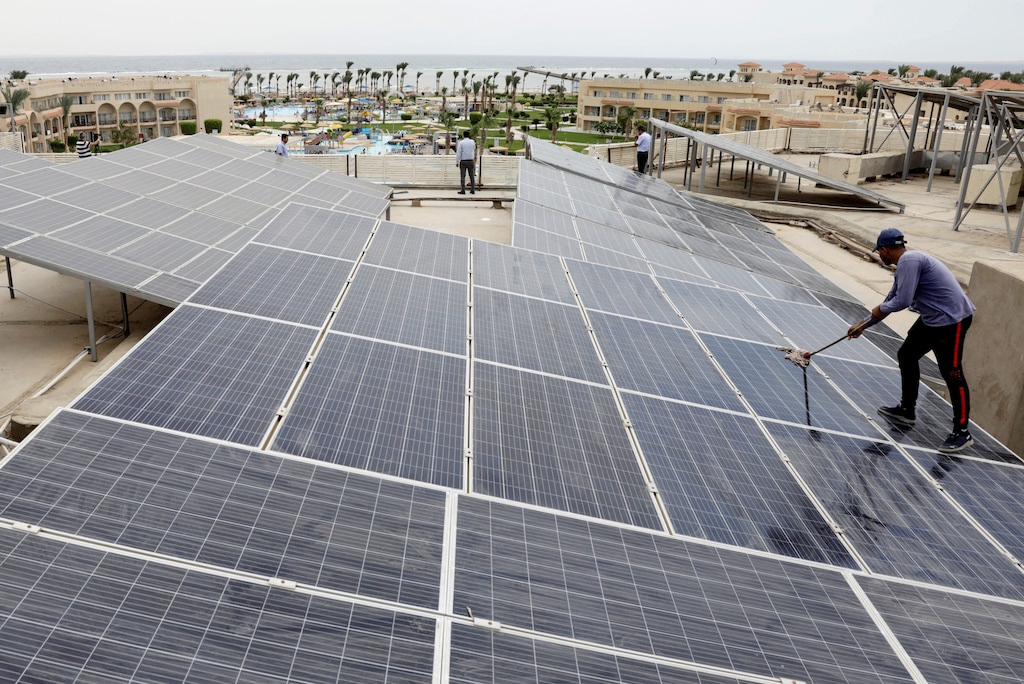
中国にはどのような影響があったのでしょうか。何人かの中国の方と話したところ、自動車の電動化や、中国が大量の再生可能エネルギーを生産していることもあり、実際にはほとんど影響を受けていないとのことでした。
どのようにご覧になりますか。これは状況を一変させる出来事だとお考えでしょうか。中国に関する大局的な見方に変化をもたらすでしょうか。
劉茜(Qian Liu):経済面では、中国にそれほど大きな影響は及んでいません。影響はむしろ政治や地政学の面に表れています。
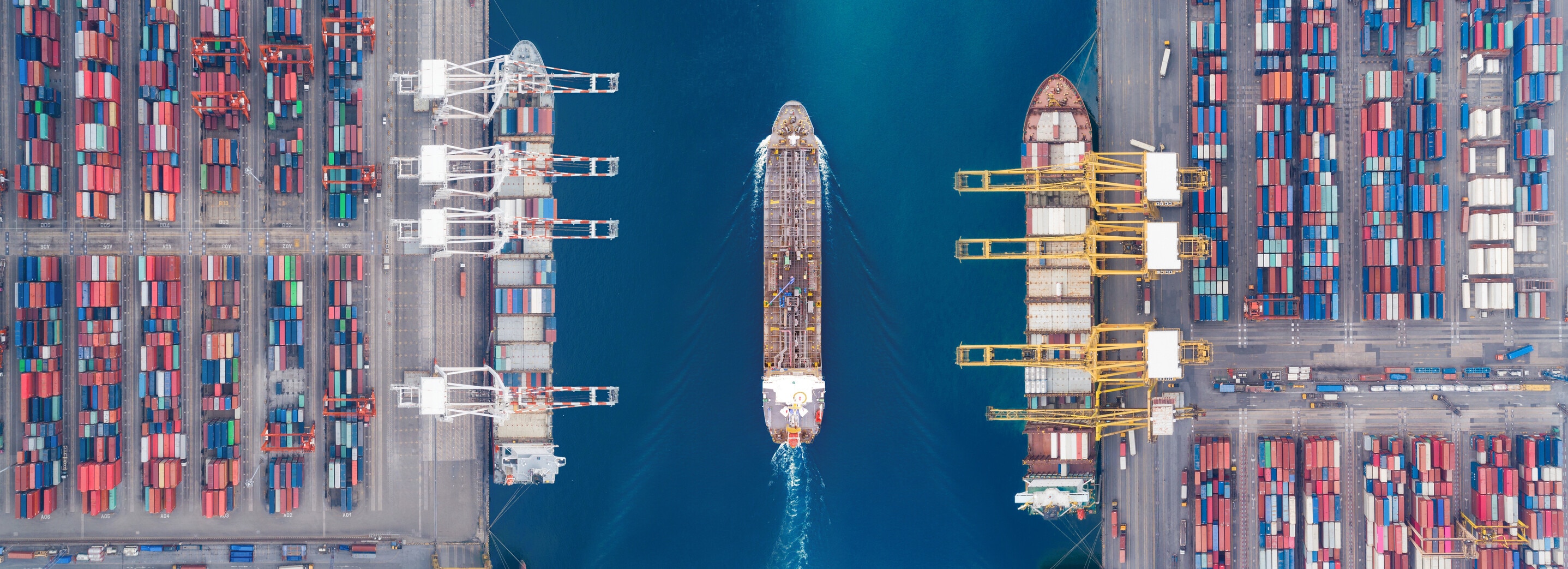
イラン、イラク、サウジアラビアなどからの輸入を含め、中国の石油輸入の50%未満がホルムズ海峡を通過しています。ですから、その割合は決して小さくありません。しかし一方で、石油は中国のエネルギー使用量全体の6〜7%程度にすぎません。そのため、中国に直接もたらされた影響は、例えば欧州と比べればはるかに小さいのです。
さらに、中国には約7か月分の石油備蓄があります。
ですから、街の人々に尋ねてみても、普通の人はそれほど影響を感じていないと思います。
しかしより重要なのは、この状況が変化しつつあり、現在のトランプ政権に対する世界の見方を変えつつあるという点です。トランプ政権が世界秩序を大きく混乱させ、米国の世界的リーダーシップへの人々の信頼を揺るがしています。中国はそれを非常に注意深く見守っています。
ラヴィ・ヴェローア:米国のリーダーシップについて言及されましたが、2026年は世界の動向においてどれほどの分岐点となった年でしょうか。北京に現れたドナルド・トランプ氏は、非常に、あえて控えめとは言いませんが、非常に敬意を示し礼儀正しい姿でした。今年、中国にとって世界はどれほど変わったのでしょうか。
劉茜:米国の地政学的な観点から言えば、確かに非常に大きく変化しました。
今年は、米国がベネズエラのマドゥロ大統領を拘束するという出来事で始まり、その後トランプ大統領はグリーンランドについてさらに強硬な姿勢を示し続けました。そして、イランの件があり、今度はトランプ大統領が中国を訪問しています。
中国から見ると、今年は米国が世界中で自国と同盟国を損なっていく様子を見守る年だったと言えるでしょう。
トランプ大統領が中国を訪問し、習近平国家主席を偉大な指導者であり、素晴らしい中国だと称賛したのは、その通りです。しかし、中国はこれが今後も二国間関係の基調になると信じているという点で、やや楽観的すぎます。
トランプ大統領が対中姿勢や振る舞いを変えた最大の理由は、中国がレアアースというカードを示したことにあります。トランプ大統領は権力のゲームを信奉する人物であり、中国が手の内を見せたことが非常に重要だったのです。
ですから、両国の指導者が笑顔で握手を交わしているからといって、今後の関係が蜜月のような素晴らしいものになるとは限りません。しかし少なくとも中間選挙までは、二国間関係は非常に安定しているでしょう。中間選挙の結果次第では、トランプ大統領が対中戦略を変える可能性もあれば、変えない可能性もあります。
例えば、ロシア、ウクライナ、イスラエル、パレスチナ、イランといった問題はすべて、米国の対中優先課題から注意を逸らさせています。今、米国は多くの課題を抱えており、少なくとも貿易の面では、中国に対応するための注意力も能力も余裕もない状態だと言えるでしょう。
しかし、それは貿易の話にすぎません。二国間関係は貿易をはるかに超えています。技術覇権争い、軍事安全保障上の対立、金融面での対立があります。ですから、米中間の継続的な摩擦は、今後の世界を specifying する主要なテーマの一つになると私は考えています。
ラヴィ・ヴェローア:つまり、この話はまだ終わっていないということですね。
劉茜:いいえ、これはまだ始まりにすぎません。いわば、始まりの始まりです。
ラヴィ・ヴェローア:まだ始まったばかりということですね。では、5年後に米国がレアアースにおける脆弱性を解消したとき、中国への恐れは突然なくなると思われますか。
劉茜:まず、5年という期間で米国が中国のレアアース分野における支配力に追いつくことは、どう考えても不可能です。レアアースの支配力には、資源へのアクセスそのものと、それを生産・加工する能力の両方が関わるからです。中国は両面で絶対的な支配力を持っています。ですから、米国が中国に取って代わるには、少なくともあと10年ほどはかかるでしょう。欧州も同様です。だからこそ、人々はサプライチェーンの相互依存などについて懸念しているのです。
しかし、レアアースについては、中国は実はそのカードを使いたくなかったという点を、ぜひお伝えしたいと思います。欧州は、中国がこのカードを使い続けることを強く懸念しています。
中国はレアアースのカードを使いたくなかったのだと、改めて強調したいと思います。もし使いたければ、とうの昔に使っていたはずです。実際、これはほぼ公然の事実で、誰もが知っています。ですから本当の問いは、中国がこの資源へのアクセスと支配力を持っていることを人々は知っていながら、なぜ中国がそれを使えるとは考えなかったのかということです。中国がこのカードを切ったことは一度もないからです。
鄧小平氏は数十年前、中東には石油があり、中国にはレアアースがあると述べました。これは秘密でも何でもありません。中国はそれを使うことができましたし、40年前にも使えました。最初のトランプ政権時にも使えましたが、使いませんでした。「解放の日」の発表直後にも使えましたが、中国は使いませんでした。
中国がレアアースのカードを切ったのは、両国間の関税戦争をめぐる交渉が延々と続き、予想以上に、あるいは望ましくない形でリスクが高まっていたときでした。そのとき中国は「もう十分だ、ノーはノーだ」と判断したのです。それがカードを切った瞬間でした。
中国が使いたくなかった理由は、その結果の一つを見ればわかります。欧州をはじめ多くの地域が怯え、「中国がこのカードを使うかもしれないと心配だ」と言い出したのです。しかし中国は使おうとはしていません。むしろ、今朝李強首相が述べたように、中国は依然として非常に安定した世界経済を望んでおり、中国は良好なグローバル化と経済のグローバル化に強くコミットし、それを望んでいます。中国がそこから利益を得ているからです。
つまり、中国は一切の貿易戦争を望んでいないのです。
ラヴィ・ヴェローア:医薬品有効成分(API)においても、中国はレアアースと同様の支配力を持っていると思われますか。
劉茜:その特定の産業については専門家ではありませんが、私の限られた知識では、同様の支配力はないものの、以前よりも力をつけつつあることは確かです。
私が好きな例の一つに、ある中国企業があります。創業者の女性は、ハーバード大学かMITを卒業したはずですが、正確には忘れてしまいました。彼女は生物医学関連の一大拠点であるボストンで会社を設立しました。しかし特にコロナ禍の時期に中国へ戻り、時間をかけてチームも中国に呼び戻しました。現在、本社は中国にあり、研究開発センターもすべて中国にあります。米国に残っているのは営業・マーケティングチームだけです。現地の言語がわかり、どう売ればよいかを熟知しているからです。
この例は非常に示唆に富んでいます。中国メーカーといえば、数年前は電気自動車、次にAI、そしてDeepSeekが話題になりました。今ではロボティクスに注目が集まっています。次に来るのはバイオテクノロジーの可能性が非常に高いでしょう。
ロビン・ポメロイ:ジェンダー・ギャップについてもお伺いしたいと思います。世界経済フォーラムは毎年『グローバル・ジェンダー・ギャップ報告書』を発表しています。あなたがこのテーマに強い関心を持っておられることは存じています。このテーマに関するあなたの著書が大きな成功を収めたとのことですが、その後どうなりましたか。
劉茜:はい、現在は中国語でジェンダー経済学に関する本を書いています。非常に人気となり、今では海賊版まで出回っています。
ロビン・ポメロイ:そうなんですね。人々がそれを強く求めているのですね。
劉茜:女性の力の台頭は、今世紀を定義する主要なテーマの一つである中国の台頭と並んで、もう一つの重要なテーマだからです。
ロビン・ポメロイ:ジェンダー・ギャップに対処することが企業や政府の利益になると、どのように伝えればよいのでしょうか。
劉茜:それは、女性にとっても男性にとっても、子どもにとっても、経済にとっても良いことだからです。
一つ例を挙げましょう。過去46年間の世界を分析した研究があります。基本的に、米国の債券や株式市場に1ドルを投資した場合、年間リターンは2.4%でした。しかし、その1ドルを人々の教育に投資すると、教育年数が1年増えるごとの平均リターンは約8.8%になります。
つまり、人的資本への投資は金融資本よりもはるかに高い利回りをもたらすのです。そして、この8.8%のうち、女性の教育へのリターンは10%です。女性への投資を増やせば、女性の所得が増えることは確実だと言えます。
さらに、米国の研究では、妻の教育年数が1年増えると、夫の所得が18%から23%の間で増加することが示されています。ですから、これは男性にとっても素晴らしいことです。
加えて、女性の教育水準が高まると、子どもの身長が高くなり、健康になり、学校での成績も向上することがわかっています。ですから次世代にとっても良いことです。
そして、それは経済成長にも非常に良い影響を与えます。例えば、国連女性機関(UN Women)の調査によると、女性への投資を増やすことで、2030年までに世界のGDPを約4兆米ドル押し上げることができると示唆されています。これは現在のGDPの3%を超える規模です。
ですから、女性を教育することは、女性、男性、子ども、そして社会と経済のすべてにとって素晴らしいことなのです。
ラヴィ・ヴェローア:しかし劉さん、あなたは山東省でお生まれになったのですよね。
劉茜:はい。
ラヴィ・ヴェローア:私の記憶違いでなければ、山東省は比較的伝統的な中国社会として知られていますね。あなたは運に恵まれたのでしょうか。ヨーロッパでの素晴らしい教育はどのように受けられたのですか。ご両親は先見の明があったのでしょうか、それとも単に最高の教育を受けさせたかったのでしょうか。
劉茜:はい。私は山東省の青島で生まれました。そこは孔子の出身地でもあります。非常に伝統的な地域で、今でも山東省の一部では、女性が男性と同じテーブルで食事をすることが許されていません。外出するときには、男性を立て、男性に話させ、主導権を握らせ、彼らが話すときには笑顔で拍手をするべきだとされています。
それが私の一面でした。その後、世界で最もジェンダー平等が進んだ国の一つであるスウェーデンで学ぶ機会を得ました。さらに、最も進歩的な大学の一つであるUCバークレーでも学びました。
そのため、ジェンダー平等はまったく異なる形で実現可能であることを知る幸運に恵まれました。私の博士論文の一つは、大半が労働経済学に関するものでした。その後、マクロ経済学や地政学的経済学などにも取り組むようになりましたが、博士論文の一つは労働経済学と人的資本に関するものでした。その中で、女性の教育水準が高まると婚姻率が下がるのは本当なのかを検証しました。
当時の中国には、「世界には三種類の人間がいる。男性、女性、そして博士号を持つ女性だ」という言葉がありました。私はちょうど博士号を取得しようとしていたところでした。さらに、「世界には四種類の人間がいる。男性、女性、博士号を持つ女性、そして三番目のタイプと結婚する勇気のある男性だ」という言葉もありました。私はそれが間違いであることを証明したかったのです。こうして、地政学に関する日々の仕事、世界への中国アドバイザリー、中国企業の海外進出支援と並行しながら、この10年以上にわたり、ジェンダー経済学について執筆を続けてきました。私は非常に幸運でした。両親が教育の力を信じ、博士課程に進むことを許してくれたからです。
ラヴィ・ヴェローア:あなたの将来の著書に『A Man's Place is in the Home(男の居場所は家庭にある)』という題名のものがあるかもしれませんね。
劉茜:うーん、その発想は好きですが、『男の居場所は本人が望む場所にある』と言い換えたいですね。
ジェンダー平等を語るとき、女性を男性よりも上位の性にすることが目的ではありません。私たちが目指すのは平等です。平等とは、女性が働き、男性が家にいるべきだということではなく、女性が望めば働けて、男性が望めば家にいられるということです。
ですから、結局のところ、ジェンダー平等の定義は同じ結果を得ることではなく、同じアクセスと同じ機会を持つことだと私は考えています。男性も泣いてよいし、男性もピンクを身につけてよいのです。もちろん、バービー人形で遊ぶこともできますし、スーパーマンになることもできます。
ロビン・ポメロイ:私はピンクを着ているんですが、見ていただけましたか。見ましたか。
劉茜:とても素敵ですね。あなたを対象化するつもりはなかったのですが。
ロビン・ポメロイ:少なくともこのインタビュー中には泣いていません。そろそろ終わりにしなければなりませんね。
これで時間となりました。ラヴィさん、一緒に司会を務められて素晴らしかったです。リスナーの皆さんがRadio Davosを聞きたい場合は、どのポッドキャストアプリでもご覧いただけます。また、wef.ch/podcastsにもアクセスできます。そこには、今回の番組Radio Davos、Meet the Leader、Agenda Dialoguesという、毎週配信している3つのポッドキャストがあります。
ラヴィさん、どこで会えますか。
ラヴィ・ヴェローア:ロビンさん、素晴らしい対話でした。そして劉さん、見事なプレゼンテーションをありがとうございました。まだ愛妾(concubines)についての話が十分にできませんでしたが、次の機会にそれをテーマにできればと思います。
こちらはStraits Times Asian Insiderポッドキャストのラヴィ・ヴェローアでした。
劉茜:とても光栄でした。本日はお招きいただきありがとうございました。
中国は世界の多くの国々にとってパートナーであり、同時に競争相手でもあります。世界経済の中心であり、地政学においてますます大きな役割を果たしているこの国について、私たちは何を知っておくべきでしょうか。
本エピソードはRadio Davosと、シンガポールを拠点とするストレーツ・タイムズのポッドキャスト「Asian Insider」の共同制作です。中国の理解を深める支援を企業に行っているWusawa社の劉茜(Qian Liu)氏にお話を伺いました。