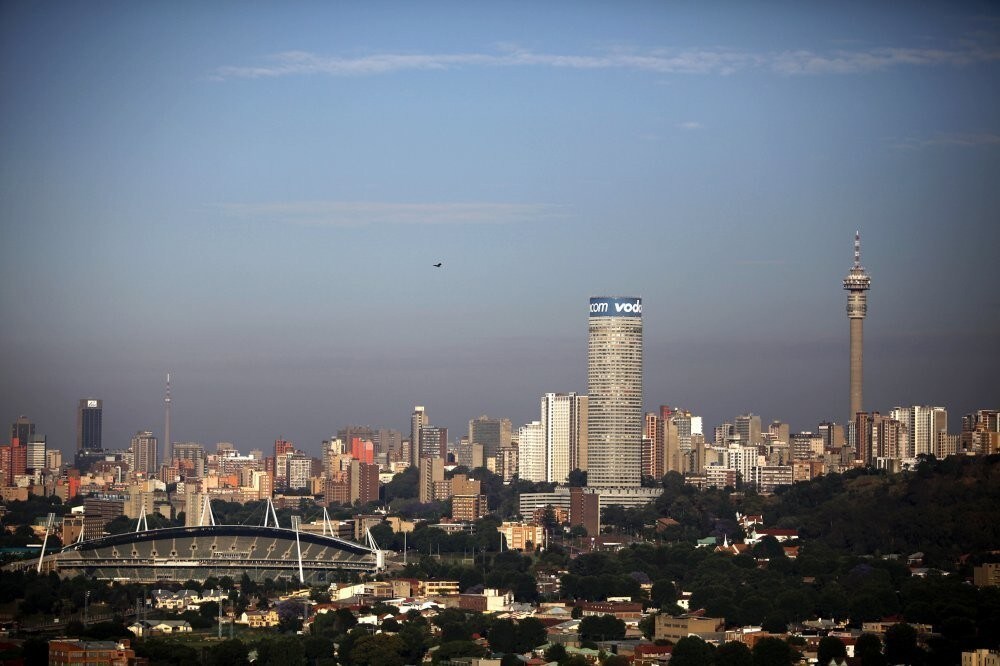
With fast-growing developing world cities facing problems from traffic gridlock to air pollution, a new initiative is set to provide $1.5 billion dollars over the next five years to promote urban sustainability in 11 developing countries.
Funded by the World Bank and Global Environment Facility (GEF), the Global Platform for Sustainable Cities aims to embed environmentally conscious city planning in countries such as Brazil, China, India, Ivory Coast and Senegal.
“In Abidjan, it takes some people three or four hours to get to work. There is a complete lack of urban planning,” said Xueman Wang, a coordinator for the platform. “We ask, ‘How can it be done differently?’”
By 2050, 70 percent of the world’s population is expected to live in cities, and most of this urban growth will take place in Asia and Africa. How cities in those regions grow will have a major impact on whether new climate change and development goals are achieved, experts say.
“In a rapidly urbanising world, how we design and build the cities of the future will play a critical role in protecting the global commons, the planet’s finite environmental resources that have provided for the stable conditions enjoyed by humanity for thousands of years,” said Naoko Ishii, head of the Global Environmental Facility.
The sustainable cities project aims to help city officials and planners improve transport, air quality and a range of other urban concerns, in part through better training, said Kristyn Schrader-King, a spokeswoman for the World Bank.
The initiative will create a network for developing countries to share ideas on sustainable planning, and a space for teaching urban sustainability, the World Bank and GEF said in a press release.
Many ideas and goals of the platform stem from a Sustainable Development Goal that urges that “cities and human settlements (become) inclusive, safe, resilient and sustainable.”
In China, where seven of the target cities are located, the platform will work to curb pollution, in part through investment in sustainable transit systems.
In Campeche, Mexico, funds will go to help clean heavily polluted Campeche Bay, in part through construction of a wastewater plant and an underwater discharge pipe.
Other funds will go to educate policy makers and organisations in each country on why sustainability is important to how their goals can be reached.
There will be online courses available in some regions, as well as workshops and training focusing on finances and urban planning, officials said.