Our relationship with technology is constantly evolving, as breakthroughs create opportunities that would have in the past been unimaginable.
But what if technology could change what it means to be human? Here’s a snapshot of some developments that could enhance our bodies and our lives.
Smart skin
A team of engineers at the University of Wisconsin-Madison has developed the “world’s fastest stretchable, wearable integrated circuits”.
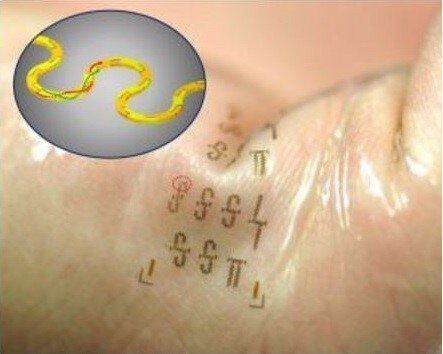
This takes wearable technology to a whole a new level. Adhering to the skin much like a temporary tattoo, they offer a wealth of possibilities – especially medical.
The high wireless speeds generated could see the smart skins used in intensive care units, with nurses then able to monitor your vital signs remotely.
Built like a 3D puzzle, the technology falls within the 5G standard, potentially bringing an end to hospitals full of wires, cables and clips.
Micro-chip implants
While the idea regularly appears in Hollywood blockbusters, being machine-readable is a step too far for many people. But for Amal Graafstra, this is a reality. The founder of bio-hacking company Dangerous Things is a double implantee – with a microchip in each hand.
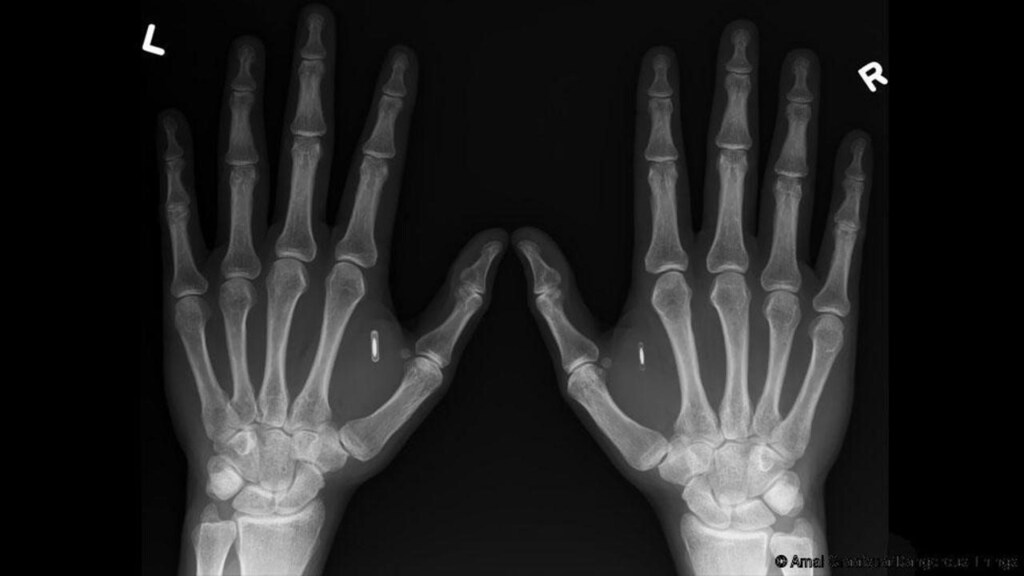
His right hand contains a re-writable chip, which he can use to download information to and from his phone. The chip in his left hand contains a simple identity number. This can be used to unlock doors or log on to computers.
Hearing colour
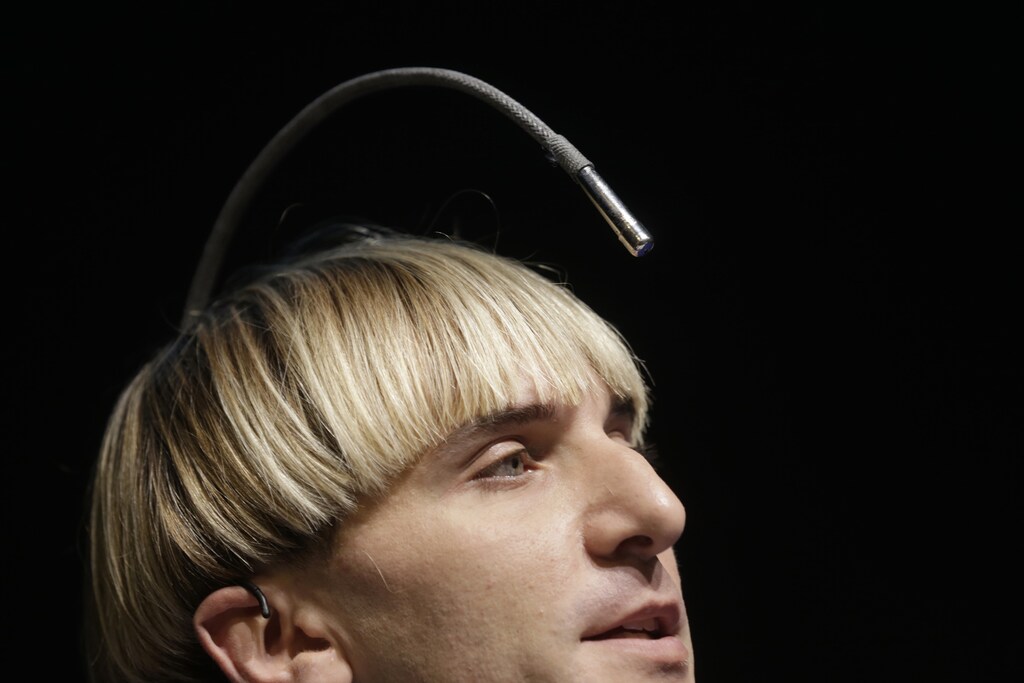
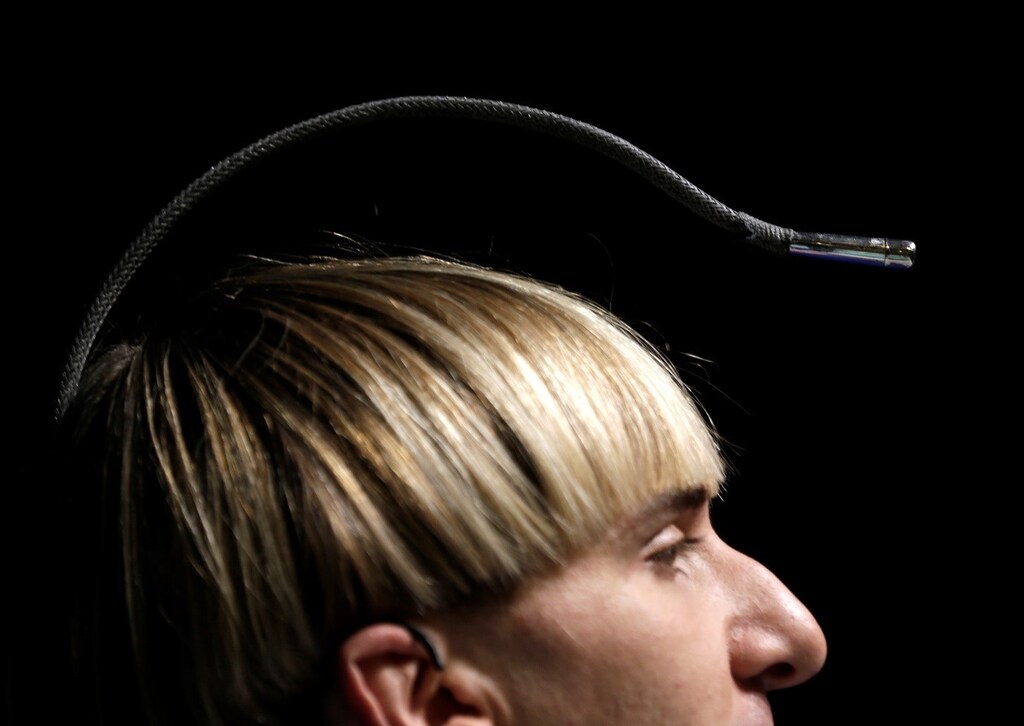
Neil Harbisson suffers from a rare form of colour blindness: achromatopsia. This means he can only see the world in greyscale. However, thanks to an antenna that translates the dominant colour into a musical note, he can hear colour.
Touted as the world’s first cyborg artist, he told The Guardian: “I like listening to Warhol and Rothko because their paintings produce clear notes. I can’t listen to Da Vinci or Velázquez because they use closely related tones – they sound like the soundtrack for a horror film.”
While it’s unlikely that by 2020 you’ll see an antenna everywhere you turn, it could offer a unique experience to the colour blind around the world.
Help making the right decision
We all make bad choices sometimes. But this could become a thing of the past, with new research now able to pinpoint the dynamics of decision-making.
The team from UC Berkeley behind the research suggests that this breakthrough could one day allow us to nudge people towards making healthier choices.
“A device could be created that detects when an addict is about to choose a drug and instead bias their brain activity towards a healthier choice,” explained Jonathan Wallis, a neuroscientist and professor of psychology at the University of California, Berkeley and a senior author on the work.
A bionic eye
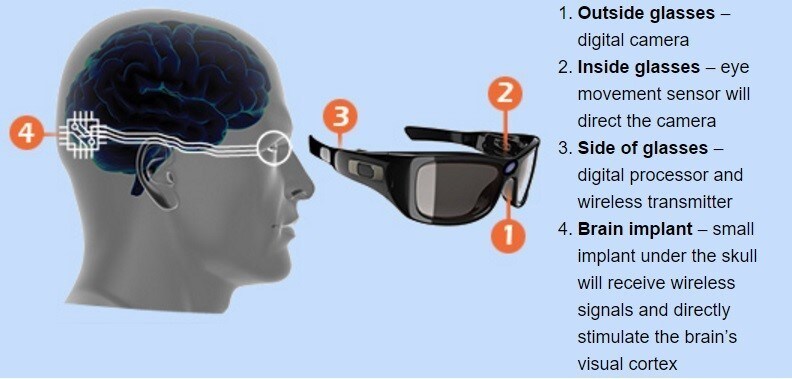
A team based at Monash University in Australia is working to create a bionic eye that could help up to 85% of clinically blind people.
The user wears glasses containing a digital camera. A processor will modify these images, before presenting them to a chip implanted in the back of the brain. This chip then stimulates the visual cortex using electrical signals, which the brain will learn to recognize as sight.
Have you read?
Is wearable tech bad for us?
The countries with the highest levels of well-being
A device that keeps you healthy while you sleep
You can watch a Forum debate on digital ubiquity, taking place at the 2016 Meeting of the New Champions in Tianjin, China, here.