Europe needs to get its swagger back. We need to stand up taller and push those shoulders out. With all the coverage of the economic crisis in Greece, we’ve forgotten some of the positive stories. That was the conclusion of a group of Young Global Leaders (YGLs) brought together by the World Economic Forum at their Annual conference in Geneva to discuss the Future of Europe.
Europe is an economy that’s growing but you wouldn’t know that from the headlines, inevitably focused on the crisis in Greece. While Eurozone growth in Q2 was a bit disappointing at 0.3% on the quarter, we expect domestic demand to grow this year at its fastest rate since the financial crisis supported by low oil prices and stronger consumption. There’s no doubt there are still plenty of challenges for Europe, not least the challenge for the younger generation who are facing much higher unemployment rates than their parents had to deal with, but there’s also plenty to shout about.
Europe has been at the forefront of presenting solutions to the world’s global challenges including climate change, from the adoption of renewables in Germany, to the pace of improved energy efficiency in the UK. And many companies within Europe have embraced the circular economy, with disruptive technology a catalyst for looking at how products can be designed to be reused. Or taken advantage of the digital economy to match those who have needs with those who have unused resources to foster growth in the sharing economy. These new business models have the digital economy at their heart.
So to really capture its growth potential, Europe needs to keep accelerating towards a workable digital single market. It’s made tracks on this recently. The digital single market aims to facilitate trade in goods and services across the web in the same way the single market in tourism transformed our holidays. Wouldn’t it be great if you could travel between countries on the same mobile phone package? Or shop in any EU country, confident you are getting the same deal as other EU consumers? For entrepreneurs, a simpler, common set of regulations on labelling to marketing would help them to reach Europe’s 500 million consumers better and more effectively.
To facilitate this, we need reliable, high speed internet connections across Europe. Good digital infrastructure boosts growth, creates job and improves the access to learning and other facilities. According to the European Commission, connecting 10% more households to high-speed broadband could generate up to 1.5% GDP growth and create 20 million more jobs by 2020.
But yet we’re not hearing enough of these positive stories. Of how companies in Europe have grasped new business models or how the harmonization of policy is paving the way for these businesses to grow. We’re not hearing enough from the young in Europe who see and create the real opportunities from technology. YGLs vowed to get these voices heard. Let’s make sure we listen.
Author: Rain Newton-Smith, Director, Economics, Confederation of British Industry
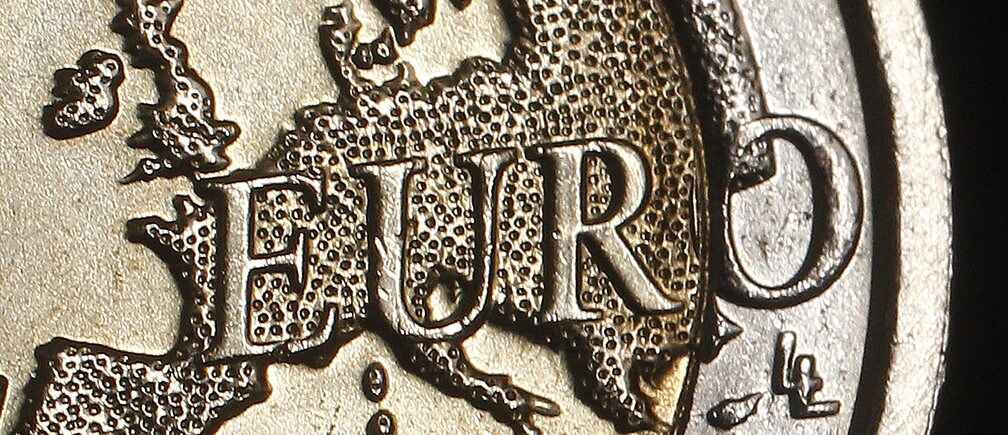
Image: The map of Europe is featured on the face of a two Euro coin seen in this photo illustration taken in Rome, December 3, 2011. REUTERS/Tony Gentile