It’s no secret that the US has seen disappointing wage growth over the past few months.
Wage growth hit a record low for the second quarter, according to the employment cost index, released by the Bureau of Labor Statistics earlier this month. Wages grew by a mere 0.2% — the smallest quarterly gain since 1982 when the series began.
And furthermore, though some large US metro areas saw average wages go up over the past year, about of third of them saw wages drop.
Still, this is nothing compared with the average wages that Russians are seeing.
Russia’s economy has been bruised over the past year, in part because of the double whammy of collapsing oil prices and economic sanctions over the conflict in Ukraine. And now it’s the Russian consumers who are feeling the pain.
In a recent note to clients, Capital Economics’ chief emerging markets economist, Neil Shearing, wrote: “Inflation edged up to 15.6% y/y in July from 15.3% y/y in June. And the latest fall in the ruble means inflation will remain higher for longer than previously anticipated. This will prolong the squeeze on households’ real incomes — real wages are currently falling by close to 10% y/y.”
And with everything that’s going on, it’s hard to tell how soon Russians will see their real wages go up again.

Capital Economics
This article is published in collaboration with Business Insider. Publication does not imply endorsement of views by the World Economic Forum.
To keep up with Agenda subscribe to our weekly newsletter.
Author: Elena Holodny is a reporter for Business Insider.
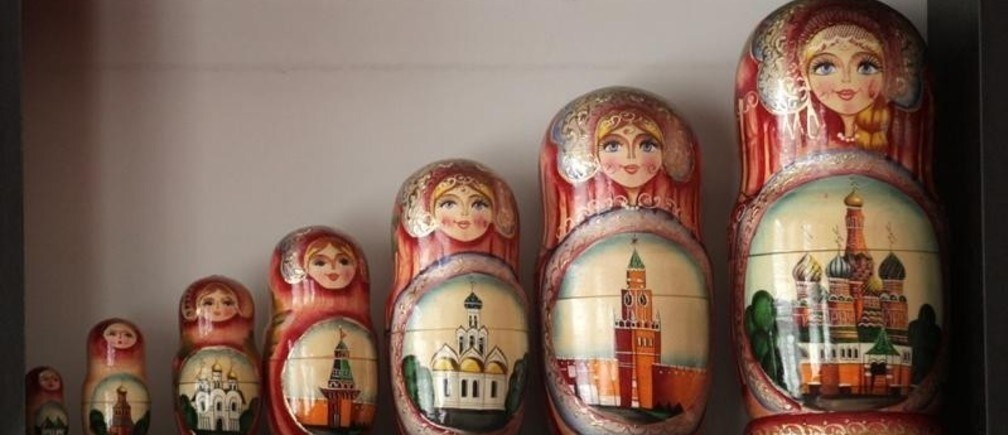
Image: Painted Matryoshka dolls, or Russian nesting dolls. REUTERS/Ints Kalnins